
The order that protects everyone
When someone has just been shocked, you may feel a surge of panic and a pull to grab them. The most important rule is that you must not become a second victim. If the person is still in contact with an energized object, their body may carry current, and touching them can pass that current into you. Everything below is built around that rule, and the first step is always to call 911, or to have someone else call while you stay with the person.
The order is: call for emergency help, make the scene safe, check the person without exposing yourself, give first aid within what you know, and then address the electrical fault. Notice that the electrical repair comes last. Nothing about a fault in a wall or an appliance is more urgent than the person's condition, and a fault can wait for an electrician while a person cannot wait for care.
If you are alone, put the phone on speaker and call 911 first. The dispatcher can talk you through what to do, and they can send help while you act. Tell them your address, that someone has been shocked, whether the person is conscious and breathing and whether they are still in contact with the source.
If the person is still in contact with the source
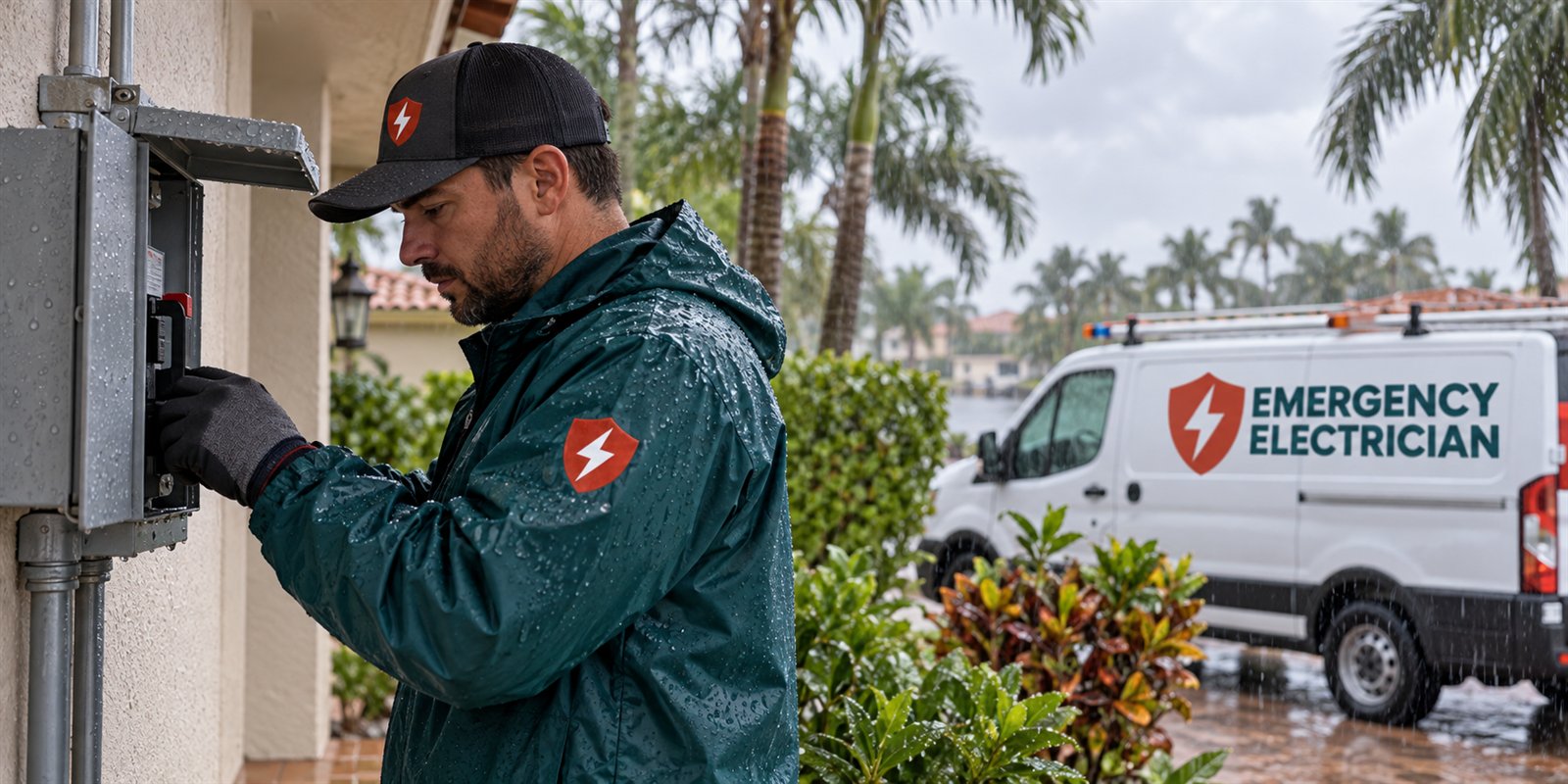
If the person is still touching an appliance, a cord, a fixture or a wire, and cannot let go, do not touch them or the object. The safest option is to turn off the power. If the breaker panel is dry, close and reachable without passing through water, switch off the main breaker, or the breaker for that area. If the object is a plug-in item and you can reach the plug without touching the person, pull the plug, standing on a dry surface.
If you cannot switch off the power, you may be able to separate the person from the source using a dry, non-conductive object such as a wooden broom handle, a plastic chair or a dry rope, pushing or pulling the person or the object away without touching either with your body. This is a last resort, and it should only be attempted if you are on a dry surface and the object is not wet or metal. If any water is present on the floor, do not step into it. Wait for the power to be cut and for responders.
If a downed power line or an outdoor wire is involved, do not approach, and stay back. See a downed wire in the yard for what to do. The ground near a downed line can be energized, and a person can be shocked by stepping near it. In all cases, tell the 911 dispatcher exactly where the person is and what they are touching.
- Call 911 and put the phone on speaker
- Do not touch the person while they are still in contact with the source
- Switch off power at a dry, reachable panel, or pull the plug without touching the person
- If power cannot be cut, use a dry non-conductive object only if the floor is dry
- Stay out of water and away from downed lines
- Follow the dispatcher's instructions
After the person is clear of the source
Once the person is no longer in contact with the source and the power is off, check whether they are awake and breathing. Speak to them. If they do not respond or are not breathing normally, tell the dispatcher, who may instruct you in chest compressions. Follow their instructions. If the person is awake, keep them still and calm, and keep them warm. Do not let them walk around, since electric shock can cause irregular heart rhythms even when the person appears well.
Look for burns. Electrical burns can appear at the point where the current entered and at the point where it left, which may be on the hand and the foot, for example. The burn may look small while the damage underneath is larger. Do not apply ice, butter or ointment. Cover with a clean, dry, loose dressing if the dispatcher advises it, and leave the rest to responders.
Do not move the person if you suspect a fall or neck injury, since shocks can throw people. Keep other people back, particularly children, and keep pets away. If a child was shocked, stay calm, speak softly and let the dispatcher guide you. Our page on a child who bit a cord covers a related case where a mouth burn is possible.
Why even a minor shock needs a medical check
People often feel fine after a shock and decline help. This is understandable, but there are reasons not to rely on how you feel. Electric current passing through the body can interfere with the heart's rhythm, and in some cases the effect shows up later. It can also cause internal tissue injury along the path of the current that is not visible on the skin, and it can affect nerves and muscles.
Medical professionals, not the household, are the right people to decide whether a check is needed. Many guidelines advise that anyone who lost consciousness, had trouble breathing, felt chest pain or palpitations, has burns, was shocked by high voltage or lightning, was a child or pregnant, or has a heart condition should be seen. When in doubt, call 911 or your doctor, and say what happened.
Even a brief shock from a household outlet, if it was strong enough to make the person cry out, pull back hard or feel numb, is worth reporting to a medical professional. Do not feel that you are wasting anyone's time. A short call can settle the question.
- Loss of consciousness, even briefly
- Chest pain, palpitations, shortness of breath
- Burns at any point on the body, including the mouth
- Numbness, tingling, weakness or confusion
- Shock involving a child, a pregnant person or someone with a heart condition
- Shock involving water, high voltage, a power line or lightning
Making the electrical scene safe afterward
After the person has been helped and responders have left, or while they are still there if they request it, address the cause. Leave the source switched off. If it was an appliance, keep it unplugged. If it was an outlet or a fixture, keep that circuit off at the breaker and put a note on the panel so that no one resets it. If you cannot tell which breaker, leave the main breaker off if it is safe to do so, and wait for the electrician.
Do not test the item to see whether it shocks again. Do not let someone else try it. Do not open it. Preserve it as it is, because the technician will want to see exactly what failed, and an insurer may too. If the incident involved water, such as a flooded floor, leave the area alone until it is dry and the power is confirmed off.
If the shock came from a faucet, pipe or other plumbing, the issue may be wider than a single circuit. See shock from a faucet or pipe. If it came from an appliance, a tingle or shock from an appliance explains the likely causes.
Calling the electrician after emergency care
Once the person is in the care of responders or has been cleared, call an electrician. Tell the dispatcher what happened, in plain terms: who was shocked, what they touched, whether it was water-related, whether 911 attended, and what you did to the power. Say whether the item is still energized, whether you have switched off a breaker and which, and whether anyone else is at risk.
A qualified technician will arrive with the aim of finding the fault and making the area safe. They will confirm that the circuit or item is de-energized, test for voltage, check the ground and the neutral and inspect the appliance, outlet, switch or fixture involved. They may find a damaged cord, a loose connection, a missing ground, a failed device or water intrusion. They will also test nearby outlets and the panel as needed.
Quotes are given by phone for straightforward items, but if the fault is hidden or complicated, an on-site visit is needed. There is a service call charge, which is explained on the phone before dispatch. Our guide on what to tell the electrician dispatcher helps you prepare the details.
Documentation and insurance
After a shock injury, keep records. Write down the date, time, location and what the person was doing and touching. Note the names of responders, the incident number if given and the name of the hospital or clinic if one was used. Keep any medical paperwork. Photograph the scene from a safe position, including the item, the outlet, wet conditions and any damage, but only after it has been made safe.
Keep the failed item or part if it is safe to do so, and ask the electrician to note what they found in writing. A short report with the date, address and findings is useful for insurance and for the owner or landlord. If you rent, tell the landlord promptly in writing, and keep a copy. Our guide on photographing damage before repairs and the one on electrical damage and insurance documents list what helps.
Do not discard or repair the item before the electrician has seen it, unless it is a hazard that must be removed. If you are unsure, ask.
Common situations and how the steps apply
Shocks at home tend to follow a few patterns, and thinking about them in advance makes it easier to act. In the kitchen, a person with wet hands touches a toaster, a mixer or a refrigerator and feels a jolt. The steps are the same, but the wet floor raises the stakes, so stay out of any standing water, switch off power at the panel only if you can reach it dry, and let the dispatcher talk you through it. In the bathroom, a hair dryer or a radio in contact with water is a classic hazard, and the person may be in a tub. Do not reach into the water to unplug anything while the device is connected. Cut power at the panel first.
In the garage or workshop, a power tool with a damaged cord or a worn extension cord is a frequent cause, and the floor may be damp concrete. Outdoors, shocks happen with pool equipment, hedge trimmers, pressure washers and holiday lighting, and the combination of wet ground and metal can make a small fault dangerous. Where a shock happens outside, near a pool or in a yard with a possible downed wire, keep everyone back and let responders take over.
For children, the patterns include cords bitten or chewed, fingers or objects pushed into outlets and curious handling of chargers. For older adults, the pattern may be a worn cord on a lamp or a heating pad, or a fall that follows a shock. In each case, the first call is the same, and what changes is the detail you pass to the dispatcher. Take the details seriously, and stay with the person until help arrives.
Preventing a second incident
After the immediate crisis, take some time to think about why it happened and what could prevent it from happening again. Typical contributors are damaged cords, missing ground connections, wet areas without ground fault protection, overloaded outlets, and children or pets with access to cords and outlets. A technician can advise on the specifics of your house.
Ground fault protection is one of the most effective measures in wet areas such as kitchens, bathrooms, garages, outdoors and around pools. Tamper-resistant outlets help protect small children. Replacing worn cords and avoiding overloaded power strips reduces fault risks. For a fuller list, see protecting children from electrical hazards and what GFCI and AFCI devices protect against.
If someone in your home has just been shocked and you are reading this while the situation is still unfolding, stop reading and call 911. When everyone is safe and responders have done their part, call and describe what happened so a qualified technician can find the cause.
Questions people ask
Should I touch someone who is being shocked?
No. If they are still in contact with an energized object, touching them can pass current into you. Call 911, switch off power at a dry reachable panel or pull the plug without touching the person, and only use a dry non-conductive object such as a wooden broom handle if the floor is dry and power cannot be cut. Stay out of water.
Does a person who feels fine after a shock still need a doctor?
Often yes. Shock can disturb the heart's rhythm in ways that appear later and can injure tissue that does not show on the skin. Anyone who lost consciousness, has chest pain, burns, numbness or confusion, and any child, pregnant person or someone with a heart condition, should be seen. A medical professional can advise whether a check is needed.
What do I tell the 911 dispatcher?
Give your address, say that someone was shocked, say whether the person is conscious and breathing, and whether they are still touching the source. Mention water, a downed line or smoke if present. Stay on the line and follow instructions. Do not hang up until told to, and keep the phone on speaker so you can use both hands.
When should I call the electrician?
After emergency care is arranged or the person has been cleared. The fault that caused the shock remains until it is found and fixed, so call the same day. Leave the item and circuit switched off and untouched. Tell the dispatcher what happened, what was touched, and what you did with the power.
Should I keep the appliance or cord that shocked someone?
Yes, if it is safe to do so. Keep it unplugged and set aside, and do not try to fix or test it. The technician may need to see exactly what failed, and an insurer may ask for it. If it is a hazard that must be removed, photograph it first and ask the electrician what to do.
Can the house be used while we wait for the repair?
Parts of it may be, but leave the affected circuit or item off. If you cannot tell which circuit, the electrician may advise leaving the main breaker off until the visit. Do not use extension cords from other rooms to replace a dead circuit for long, and do not connect a generator to the house wiring.
About "Someone in the House Was Just Shocked": call and give us the details, and we will explain what is safe to do while you wait and what the visit would cover. Jobs that cannot be quoted blind need a look on site.
Related pages
- Appliance Tingle: A tingle or mild shock from a metal appliance casing can point to a grounding fault. Learn the triage steps, who to call, and what a technician will test.
- Faucet Shock: A shock from a faucet or pipe means plumbing or metal fixtures may be energized. Learn why to stop using them, the order of calls, and what happens next.
- Chewed Cord: If a child bit or chewed an electrical cord, get medical advice first, then isolate the circuit. A calm triage guide for parents and caregivers at home.
- 911 Script: Calling 911 about sparks, smoke, a shock or a downed wire? These are the facts that help dispatch most: address, hazard, people at risk and power status.
- Warm Outlet: A warm, browned or melted outlet is a heat warning. Learn how to read the damage, what to unplug, when it is a same-day call, and what a technician checks.
- Burned Bus Bar: Scorch marks, melted plastic or a burned bus bar inside an electrical panel: what it means, why the panel is often replaced and what to do right now.