
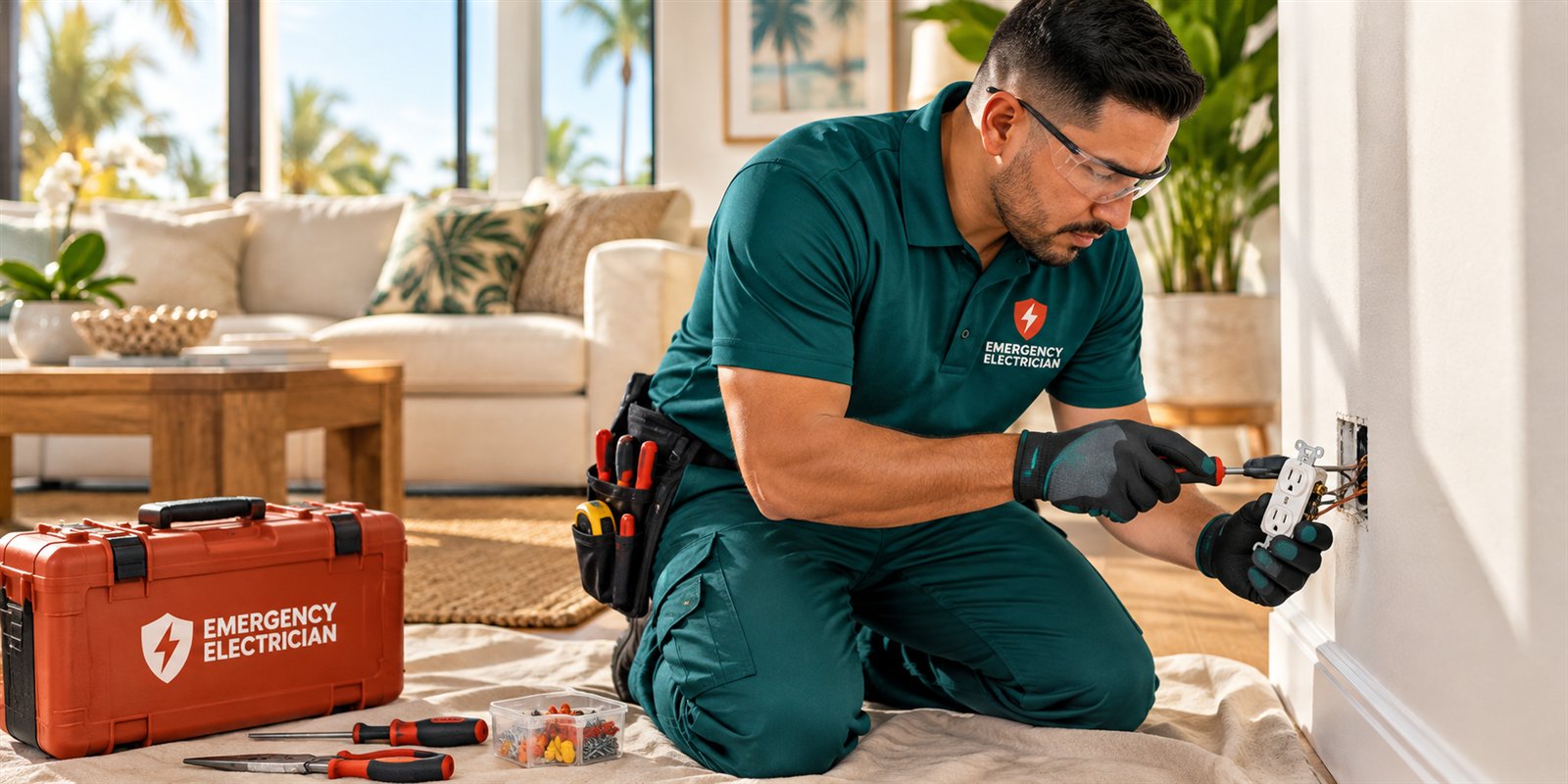
Why heat at an outlet matters
Electricity that meets resistance turns into heat. A good connection inside a receptacle has very little resistance, so it stays at room temperature even under load. A poor connection, whether from a loose screw, a worn contact spring, a corroded terminal, or a plug that does not grip, has high resistance at one small point. All the heat from that point stays concentrated in a few square millimeters of metal, and that is what you feel or see on the outlet face.
This is why a warm outlet is never just warm. The surface you touch is separated from the hot spot by plastic, and plastic is a poor conductor of heat. By the time the face feels warm, the contact point inside may be much hotter. By the time it is brown, the plastic has already been cooked. By the time it is melted, the receptacle has been running hot for a long while, and the wire insulation behind it may be damaged too.
Heat at an outlet is one of the more common ways an electrical fire starts inside a wall, where nobody sees it. Taking it seriously costs very little compared with what it can prevent.
Reading what you see: a severity guide
Not every sign means the same urgency. The table below gives a practical way to sort what you notice. It is a guide for deciding how fast to call, not a diagnosis, and when you are unsure you should choose the more cautious row.
Remember that more than one sign can be present at once. A warm outlet with a faint smell of hot plastic belongs in the same group as a brown outlet, not the first row.
| What you notice | What it usually means | How to respond |
|---|---|---|
| Slightly warm face while a heavy device is running | Normal load on some devices, or a loose plug | Unplug the device, let it cool, retest with a lighter load; call if it stays warm |
| Warm face with nothing plugged in | Hot connection behind the face | Switch off the breaker if you can reach it safely and call the same day |
| Brown or yellow scorch ring near the slots | Heat has already damaged the plastic | Stop using it, switch off the circuit, call for urgent service |
| Soft, shiny or melted plastic | Sustained overheating | Switch off the circuit, keep people away, call right away |
| Black soot, smoke, or a burning smell | Active overheating or arcing | Leave the area and call 911 first |
What to do in the first few minutes
Start by taking the load off. Unplug whatever is connected only if the plug and the area are dry and the plug is not melted into the outlet. If a plug has fused into the receptacle, do not pull on it. Our page on a plug that melted into the outlet explains what to do instead.
Next, find the breaker. If the panel is dry, within easy reach, and the area around you is safe, switch off the breaker that feeds that outlet. If the panel is not labeled, you may need to switch off several to find it. A labeled panel turns a two-minute hunt into a ten-second action, which is one reason we recommend labeling in advance.
Once the circuit is off, keep people and pets away from the outlet, move anything flammable out of reach, and avoid touching the face with bare fingers if it still looks hot. Do not try to open it. Do not spray water or cleaning products on it.
- Unplug devices that can be unplugged safely, from a dry position.
- Switch off the breaker feeding the outlet.
- Keep curtains, papers and furniture away from the wall.
- Take a clear photo of the outlet for the dispatcher and for your records.
- Call and describe what you saw and smelled.
The common causes
Several different problems produce the same symptom, and a technician sorts them out by testing. The most common cause is a loose connection. Screws on a receptacle can back off over time because of thermal cycling, where the metal expands when warm and contracts when cool. Wires pushed into the small push-in holes on the back of cheaper receptacles can also loosen, and those are a frequent source of heat in older apartments and rental units.
The second cause is a worn receptacle. The contact springs inside lose tension after years of plugging and unplugging, especially with heavy plugs, so the plug no longer grips tightly. A loose grip means a small contact area and high resistance.
The third is overload. Space heaters, window air conditioners, and some kitchen appliances pull a lot of current. A plug plugged into a worn outlet and pulling that kind of current will heat both. The fourth is a damaged conductor, such as a wire nicked during installation or aluminum branch wiring connected with the wrong devices. The fifth is moisture and corrosion, which is common near coastal air and in outdoor and bathroom locations.
Why you should not just replace the outlet yourself
Swapping a receptacle looks easy in a video, and many handy owners have done it. The problem in an overheated outlet is that the visible device is often only part of the failure. The wire ends behind it may have been heated until the insulation is brittle, the copper may be oxidized or pitted, and the box may be scorched. Putting a new receptacle on damaged wire reproduces the problem.
There is also a safety side. Working inside a box means working near live conductors unless the circuit is confirmed dead, and the breaker label is not proof. A circuit tester used incorrectly can give a false sense of safety, and a shared neutral from another circuit can still carry current into the box when the labeled breaker is off.
A technician cuts back to clean copper, replaces damaged devices, checks the box and cable for heat damage, tightens terminals to a measured torque, and tests the circuit under load. That sequence is not exotic, but it depends on knowing what to look for and having the right tools. It is also the step that tells you whether the problem is isolated to one outlet or is a sign of something wider.
Same-day call or can it wait
The honest answer depends on the sign. A face that is only mildly warm after a vacuum cleaner has run for twenty minutes is probably load-related, and you can try the cooler retest. A face that is warm with nothing plugged in is not load-related, and a heat problem that exists at rest will usually get worse. Brown or melted plastic means the damage has already happened, and the circuit should stay off until it is repaired.
Other clues push the urgency up. A smell like hot plastic, fish, or a faint chemical odor suggests overheated insulation. Crackling, popping, or a buzzing from the outlet suggests arcing. Lights that dim or flicker on the same circuit when the outlet is used suggest a failing connection. A breaker that trips repeatedly is trying to protect you from a fault. Any of these combined with a warm or discolored outlet should push you toward a same-day call.
If the outlet is in a bedroom, a nursery, or near bedding, curtains or stored boxes, be more cautious, not less. Fires from outlets often start overnight, when no one is watching.
Situations that look similar but are different
Some things resemble outlet heat damage but have different causes. A dark smudge on the wall above an outlet can be soot from a candle or a stove, not an electrical problem, but it can also be the track left by smoke from an arc, so check the plate for heat marks as well. A yellowed plate on an old outlet is often just age and sunlight. A plug that feels warm on its own plastic body but whose outlet face is cool points to a failing plug or cord, not the receptacle.
A device that is warm because it generates heat, such as a charging brick or a power adapter, can make the nearby outlet feel warm without any fault. The test is simple: unplug the device and let everything cool. If the outlet face is cool without it, the load or the device was the source. If the outlet stays warm, the heat is coming from inside the wall.
Smart plugs, USB outlets and tamper-resistant receptacles each have their own failure patterns. A receptacle with built-in electronics can run slightly warm by design, but a hot or discolored one is not normal in any model.
What a technician will check
On arrival the technician will first confirm the circuit is de-energized and will look at the outlet in place before touching it, noting scorch patterns and the condition of the cover plate. The receptacle is then removed so the wires can be inspected. They look at the color and condition of the insulation on each conductor, the state of the copper at the termination, signs of arcing on the screws, and whether the box has been scorched.
They also check the other outlets and switches on the same circuit, because a heat problem at one point often exists at others, especially when the circuit was wired by pushing wires through the back of each device. Under load, a thermal imaging camera or an infrared thermometer can show other hot spots. The panel connection for that breaker may also be examined, since a hot breaker or terminal at the other end of the circuit produces a similar picture.
Based on what is found, the repair might be a new receptacle with proper terminations, a replaced section of cable, a new box, or work at the panel. Complicated jobs need an on-site visit for a firm price, which is explained by phone along with the service call charge before dispatch.
Example calls
A renter noticed that the outlet behind her television was warm and slightly yellow. Nothing exotic was plugged in, only a power strip with a television, a game console and a sound bar. The technician found the back-stab connection loose and the copper dull from heat. The receptacle was replaced, the wire ends were cut back to clean copper, and the strip was moved to a different wall outlet on a separate circuit.
A homeowner in an older house plugged a portable heater into a bedroom outlet each night. One morning the plastic around the slots had a brown ring. The outlet had worn contacts and the heater drew far more current than the old device could handle. The repair was a new device, but the real fix was a change in how the heater was used, and a conversation about whether that room needed a dedicated circuit.
A shop owner found a scorched outlet in a back room where a chest freezer ran all day. The outlet had been warm for weeks. The technician found that the freezer plug had a bent prong that never seated fully, and the outlet beside it showed the same early discoloration. Both were replaced and the freezer cord was checked.
Rentals, landlords and who handles it
If you rent, a heat-damaged outlet is a safety matter that your landlord or property manager normally needs to know about right away. Switch off the circuit if you can do so safely, keep the area clear, and notify them in writing, with a photo and the date. You can still call an emergency electrician for the immediate safety visit if the situation feels urgent, and a written report of findings helps you document what happened.
Do not attempt your own repair in a rental. Beyond the safety side, changes you make to the wiring can complicate your responsibilities under the lease. Our guide on which repair is yours in a home or rental sets out how to think about it.
Owners of condos and townhouses should check whether the wall and wiring belong to the unit or to the association before arranging repairs. A technician can tell you what is on your side of the panel and what is not.
Questions the dispatcher will ask
When you call, expect a short series of questions. They are not a test. They help decide urgency and which tools to bring. You will likely be asked where the outlet is, what is plugged into it, whether it is warm with nothing connected, what color the damage is, and whether you smell anything. You will be asked whether the breaker has been switched off and whether it tripped by itself.
If you can, take a sharp photo with good light before the call. A picture of the outlet, the plug and the surrounding wall lets the dispatcher judge the damage far better than a verbal description. Note the age of the home and whether the outlet is on a circuit you recently added a heavy appliance to, such as a space heater or an air conditioner.
Our guide to what to tell the dispatcher covers the full list, and the emergency decision chart helps you decide how fast to call.
Preventing the next hot outlet
After the repair, a few habits keep the problem from coming back. Plug heavy appliances directly into a wall outlet, not into a power strip or a cord. Replace outlets that no longer hold a plug firmly. Do not run several high-draw devices on one circuit. Keep an eye on outlets in rooms with window air conditioners, space heaters, or aquarium equipment, since those loads run for hours.
In older homes, ask whether the receptacles are worn and whether the wiring is rated for the loads you now use. Our guide on extension cord and power strip limits explains how cords add to the problem.
If an outlet in your home is warm, brown or melted, switch off its circuit if you can do so safely, keep the area clear, and call. A dispatcher can help you judge the urgency and explain the service call before sending anyone.
Questions people ask
Is it normal for an outlet to feel a little warm?
An outlet can feel slightly warm when it is carrying a heavy continuous load, and some charging bricks warm the area around them. But an outlet that is warm with nothing plugged in, or one that is hot to the touch, is not normal. Unplug the load, let it cool, and call if the face stays warm.
Can I keep using an outlet that is only slightly brown?
It is better not to. Browning means the plastic has already been heated beyond what it should see, and the connection behind it is likely still poor. Switch off the circuit if you can do so safely and arrange a repair. Continued use risks more heat and eventually a fire inside the wall.
Should I pull the plug out of a hot outlet?
If the plug is dry, intact and comes out easily, unplugging it takes load off the outlet. If it feels hot, is stuck, or looks melted, do not force it. Switch off the breaker first, then wait until things cool. Never pull a plug while standing in water or with wet hands.
Why does the problem seem to come and go?
Heat from a poor connection depends on how much current flows. A light load may not produce much heat, and a heater or air conditioner will. The connection can also loosen and tighten as the metal warms and cools. An intermittent problem is still a real one, and it often gets worse over time.
Is a melted outlet always a fire emergency?
Not always, but it is always urgent. If you see smoke, flames, soot or smell strong burning, leave and call 911. If it is only melted plastic with no smoke, switch off the circuit if safe, keep the area clear and call an emergency electrician right away. Do not use the outlet again.
How is the price decided?
Quotes are given only by phone. A service call charge applies and is explained before a technician is dispatched. Simple receptacle repairs may be quoted over the phone, while jobs that involve damaged wiring or panel work need an on-site visit so the real scope is known.
If "Outlet Is Warm, Brown, or Melted" matches what is happening, call and describe it plainly: the room, the breaker, any burning smell or tripped circuit. We explain what the repair would involve before a visit is set.
Related pages
- Melted Plug: When a plug fuses into an outlet, do not pull it. Learn how to cut power at the breaker, what to report to the dispatcher, and how a technician clears it.
- Outlet Sparks: Sparks from a wall outlet are an electrical emergency. Learn the safe order of steps, when to call 911, and what to tell the electrician on the phone.
- Hot Cord: A hot extension cord or power strip is overloaded or damaged. Learn how to unplug it safely, why permanent cord use fails, and when to call an electrician.
- Outlet Repair: A dead, warm or heat-damaged outlet needs attention. Learn what is safe to do, how a technician repairs a receptacle, traces the cause and how to prepare.
- Surge Device Failed: A whole-house surge device with a red light, alarm or burn marks has done its job or failed. Learn what the indicator means and what to do after a big surge.
- Appliance Tingle: A tingle or mild shock from a metal appliance casing can point to a grounding fault. Learn the triage steps, who to call, and what a technician will test.