

What a temporary fix really means
In electrical work, a temporary fix usually means making a failed circuit or piece of equipment safe without fully restoring it. The most common form is isolation: turning off or disconnecting the faulty circuit so that it cannot cause harm, while leaving the rest of the system running. A technician may cap off a damaged cable, lock out a failed breaker, disconnect a burned appliance outlet, or shut down one section of a panel until proper parts or time are available. The aim is safety first and convenience second.
This is different from a patch that tries to make something work again without addressing why it failed. Isolation reduces risk; a bad patch hides it. The difference is important, because an isolated circuit is visibly off and everyone knows it, while a bad patch looks like a working circuit. A responsible technician will tell you plainly what has been isolated, why, and what has to be done before it can be used again, and will never leave a hazard in service because the owner is eager to have power.
Why a temporary approach is sometimes the right call
There are good reasons to isolate rather than repair on the spot. Parts may not be on hand, particularly for older or less common equipment. The repair may require a permit, an inspection, or coordination with the utility, which takes time. The work may be too large to complete in one visit, as with panel replacement or rewiring. Or conditions at the time, such as flooding, darkness, or ongoing storm activity, may make a complete repair impractical or unsafe.
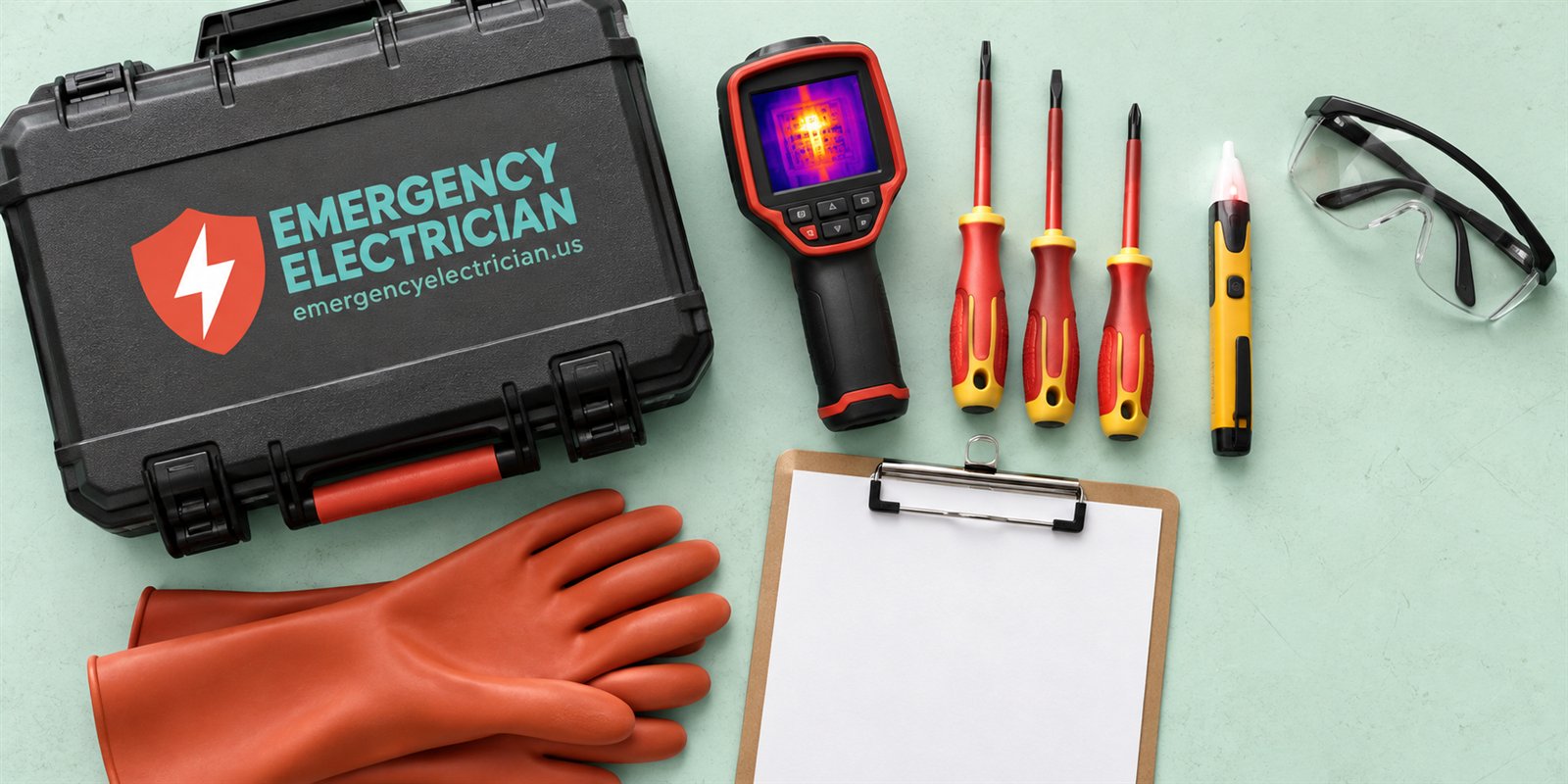
In those situations, restoring partial power safely is better than leaving a household or business with nothing, as long as what is restored is genuinely safe. Think of a house where one circuit has burned wiring: turning that circuit off and restoring the rest lets the family keep refrigeration, lights, and cooling while the damaged run is replaced properly. The key is that the temporary state is honest, limited, and has a plan to end it. For a related discussion, read repair or replace after an electrical failure.
What counts as a safe temporary measure
A safe temporary measure leaves no live exposed conductors, no overloaded circuits, and no defeated protection. Examples include disconnecting and capping a damaged conductor inside a properly enclosed junction, turning off and labeling a breaker whose circuit is being kept out of service, isolating a flooded section of a system while the dry sections continue working, and switching an appliance circuit off until the appliance can be repaired or replaced. In each case, the hazard is removed or contained, not covered up.
A safe temporary measure is also documented. The technician should tell you which circuits are off and why, and where possible should label the panel so that nobody turns them back on by accident. You should be able to describe the state of the system to the next person who looks at it, whether that is a family member, a landlord, or another technician. If the measure is not something you could explain in a sentence or two, ask for more clarity before the technician leaves.
- A failed circuit is turned off and clearly labeled
- No exposed or loosely taped conductors remain accessible
- Protective devices have not been defeated or oversized
- Remaining circuits have been checked and are operating normally
- The owner knows what is off, why, and what comes next
What is never an acceptable temporary fix
Some things are not temporary fixes, they are hazards. Bypassing a tripping breaker by installing a larger one hides an overload without solving it, and the wiring can overheat and start a fire behind the walls. Defeating a ground-fault or arc-fault device because it keeps tripping removes the protection that is working as designed. Wrapping a damaged cord or cable in tape and returning it to service leaves insulation that may fail again. Running an extension cord from one room to another to power a dead circuit creates tripping and fire risks.
Another unacceptable measure is energizing damaged equipment to see whether it works. A burned panel, a melted outlet, or a flooded breaker should not be re-energized until a technician has inspected it. If anyone suggests keeping a questionable circuit in service because it seems to work, treat that as a red flag and ask for a clear reason. For a more complete list, see what never to do in an electrical emergency.
Signs that a full repair cannot wait
Some failures call for complete repair at the first visit or as soon as possible afterward. Heat damage that reaches beyond a single device, burned wiring inside walls or ceilings, a panel with damaged bus bars, a service entrance compromised by water, and failures that involve life-safety systems are among them. In these cases, a temporary measure may be needed to make the place safe tonight, but leaving the situation in that state for long invites further damage.
Another sign is that the isolation removes something essential. If isolating a circuit leaves a home without a refrigerator, a bedroom without cooling in a hot season, or a business without lighting, the owner needs more than a promise to return. In South Florida's climate, losing cooling or refrigeration is not a minor inconvenience. A technician should discuss whether the isolation can be minimized, whether an alternate route can be established safely, and how soon the full repair can be scheduled. The guide on urgent temporary power restoration describes how this is handled.
Planning the return visit
If the plan is isolate now, repair later, the plan should be specific. Ask what parts are needed, whether a permit or inspection is required, what the technician will need to complete the work, and how the return visit will be arranged. Ask what you should do in the meantime, and what to watch for. A technician cannot promise exact timing in every case, but should be able to describe the steps and what could delay them.
Keep in mind that quotes are given by phone, and a complicated job requires an on-site visit before a quote can be given. If the full repair is a larger project, such as a panel replacement or rewiring, the technician may recommend a separate visit to assess and quote it properly. That is not a stalling tactic, it is how complicated work is scoped responsibly. The guide on panel repair versus panel replacement shows how that kind of decision is made.
Living safely with an isolated circuit
While a circuit is isolated, everyone in the building should know about it. Make sure household members, tenants, and anyone who might flip breakers understand that the labeled circuit is to remain off. Do not plug anything into outlets that have been disconnected, even if they seem to be dead. Do not try to power the area with an extension cord from another circuit. Cords strung through doorways or under rugs can overheat and are a common cause of secondary hazards.
If you lose the use of something important, tell the technician or dispatcher rather than improvising. Alternatives may exist, such as moving a refrigerator to a different circuit that has capacity, or using a properly rated cord for a short distance. A technician can advise on what is safe in your situation. Keep a note of the isolation in a place where it will be seen, such as the panel door or a household log. The guide on panel labeling before an emergency gives ideas for keeping this clear.
How to tell a good temporary plan from a sales pitch
A good temporary plan is limited, honest, and explained. It names what was done, what was left, and why. It does not pressure you to approve a large project on the spot, and it does not use fear to push a decision. If a technician recommends a larger repair, you should hear what evidence supports it, and you should be able to ask for time or for a written description of what was found. Good technicians expect and welcome these questions.
A sales pitch tends to blur the line between what is necessary now and what is merely advisable. It may present a full replacement as the only option when an isolation and a smaller repair would be sufficient, or it may hide a hazard by leaving a circuit running because the customer wants it. If you feel rushed, you can pause the conversation and ask the dispatcher to explain the recommendation. For advice on the choice of contractor, see choosing an electrical contractor in a crisis.
Insurance, landlords, and documentation
Temporary measures should be documented, because they may matter later. If the failure was caused by a covered event such as a storm or fire, your insurer may want to know what was found, what was done, and what remains to be done. Keep photographs of the damage before any work, records of what the technician said and did, and any written findings you receive. If you rent, tell the landlord what was isolated and why, and ask for approval of the full repair.
Documentation also protects you from confusion. If a circuit is left off and a different person later turns it back on, a record of why it was off can prevent harm. The guides on photographing the damage before repairs and getting a written findings report explain how to build that record, and why it is worth the few extra minutes at the time.
Examples of isolation done well
A kitchen circuit has burned wiring behind the wall where a loose connection overheated. The technician turns the breaker off, labels it, confirms with a meter that the circuit is dead, and caps the burned conductors safely in an enclosure. The refrigerator is moved to a circuit that has room for it, using a properly rated arrangement, and the rest of the house runs normally. The family knows exactly what is off, why, and that the wiring will be repaired when materials and any required permit are in place.
Another example is a flooded garage where one section of wiring was under water. The technician isolates that section, checks that the dry portions of the house test normally, and restores them. The garage stays off until the wetted wiring and devices are inspected and repaired or replaced. In both cases, the temporary measure is visible, explained, and limited. That clarity is the dividing line between a sound interim step and a risky shortcut, and it is a good standard to hold any technician to.
When you are ready to call
If you are facing an electrical failure and trying to decide between getting by for now and doing the whole job, start by making the scene safe. If there is fire, smoke, or a downed wire, call 911 and the utility first. Otherwise, switch off what you safely can, avoid re-energizing anything damaged, and call to describe what happened. Have ready what failed, what you saw and smelled, which breakers tripped, and what in the home or business must keep running.
Tell the dispatcher what matters most, whether that is refrigeration, cooling, medical equipment, or business operations. The dispatcher will explain the service call charge before anyone is sent and describe how quotes work by phone, with an on-site visit for complicated jobs. The technician will then inspect, explain what is safe to restore now, and describe what the full repair involves. Call when you are ready, and ask any of the questions in this guide.
Questions people ask
What does isolating a circuit mean?
It means turning off or disconnecting a faulty circuit so it cannot cause harm, while the rest of the system keeps running. The isolated circuit is clearly off and labeled, and the technician explains what must be done before it can be used again.
Is a temporary fix safe to live with?
It can be, if it leaves no exposed conductors, no defeated protection, and no overloaded circuits, and if everyone knows which circuits are off. A fix that merely makes a faulty circuit work again without addressing the cause is not safe and should be questioned.
Can I replace a tripping breaker with a bigger one?
No. A larger breaker lets more current flow through wiring that was not sized for it, which can overheat the wires and start a fire. A breaker that keeps tripping is signaling an overload or a fault, and that needs to be diagnosed, not defeated.
How long can a circuit stay isolated?
That depends on what the circuit does and what the full repair requires. A circuit serving a minor convenience can stay off for some time. One serving cooling, refrigeration, or medical equipment should be addressed quickly. Ask the technician for a plan and for what could delay it.
Will the technician restore everything on the first visit?
Not always. Parts availability, permit requirements, utility coordination, or the size of the repair may require a return visit. A technician should explain what is restored, what is not, and why. Complicated jobs need an on-site visit before a quote can be given.
What should I record about a temporary fix?
Note what was isolated, why, when, and what the technician advised. Photograph the damage before work begins if it is safe to do so, and ask for written findings. These records help with insurance, landlords, and any later work.
About "Fix vs Repair: What to Know and Do": call and give us the details, and we will explain what is safe to do while you wait and what the visit would cover. Jobs that cannot be quoted blind need a look on site.
Related pages
- Repair or Replace: A plain framework for deciding between repairing and replacing failed electrical equipment, based on evidence found on site, not guesses or sales pressure.
- Repair vs Replace Panel: Inspection findings that push an electrical panel toward repair or replacement, including heat damage, corrosion, and obsolete designs, with no figures given.
- Temporary Power: When a full electrical repair has to wait, isolating the damaged part can keep the rest of the home running. Learn how temporary power is done and its limits.
- Written Findings: How to ask an electrician for a plain written summary of what was found, what was done and what remains, and what a useful report contains and avoids.
- Call Order: Electrical trouble, three possible calls. A plain decision order for when to dial 911, when to phone the power company, and when to call an electrician.
- Emergency Check: A branching guide from symptoms to urgency, showing when to call 911, when to call the utility, when to call an electrician now, and when a visit can wait.
Questions to ask before accepting a temporary arrangement
If a technician suggests a temporary arrangement, such as leaving one circuit off while the rest of the house stays on, ask a few plain questions. What exactly is being isolated, and why? What will not work in the meantime? What conditions would make this arrangement unsafe? And what is the plan for the permanent work? The answers should be specific. If they are vague, ask again, because a temporary measure is only acceptable when everyone understands its limits. If anyone in the home depends on powered medical equipment, mention that early so it can be considered when the plan is made.
Ask also what you should do and not do while the arrangement is in place. For example, you might be told to keep a particular breaker off, avoid using certain outlets, and stay alert for particular signs such as heat or smell. Write the instructions down, or ask the technician to note them for you, and share them with everyone who lives in the home. A plan that only one person remembers tends to fail. Florida humidity, salt air and summer storms add stress to electrical parts, so conditions that seem minor elsewhere can matter more here.
Finally, ask how the follow-up work will be arranged and what information will be needed. Parts may have to be ordered, access may need to be arranged with a landlord, or a permit may be involved. Do not assume the temporary state will last indefinitely just because nothing has gone wrong yet. Keep the follow-up on your calendar, and call if you notice any change, because conditions can shift without warning. Keep children and pets away from the area while you wait, and avoid touching anything that feels warm, damp or looks discolored.