
Triage: act on the fire and the smoke before the wiring
If there is fire, flames, heavy smoke or a smell of burning that is getting stronger, call 911 first and leave the building. Do not stay to fight an electrical fire with water, and do not go back for belongings. Tell the dispatcher that the fire involves electrical equipment, so that responders can cut power at the source. If a fire has just been put out by a small extinguisher rated for electrical use, still call 911 because fire can remain inside a wall.
If the event has passed, such as a tripped breaker, a scorched outlet cover or a brief smoke event that ended, the situation is still urgent. Leave the circuit off. Do not turn the breaker back on to see whether it holds, and do not plug anything into the affected outlet or run the affected equipment. Heat damage can leave insulation cracked or carbonized, which can conduct current in unexpected ways.
Check for ongoing heat. Without touching the surface directly, hold the back of your hand an inch from the wall or outlet to feel warmth. If it is warm, or the paint is bubbling or discolored, treat the wall as a hazard and leave the area. After any fire, the fire department may ask you to have the electrical system checked before power is restored; our page on fire department visits and electrical reinspection explains what to expect.
Why heat damage extends beyond the burn mark
Copper conducts heat well, and electrical insulation is a plastic compound rated for a maximum temperature. When a connection overheats, heat flows along the conductor in both directions. The insulation close to the hot spot may be visibly browned or melted, but farther along, it may have been heated enough to become brittle without any visible change. That insulation looks normal and may even test normal on a quick check, yet it can crack months later when the wire is moved or when the circuit is loaded again.
Heat also changes the copper itself. Repeated overheating can oxidize its surface, increasing resistance at that point, which creates more heat in a worsening cycle. Terminals can anneal and lose their spring tension. A device that once held the wire firmly may now be loose. Aluminum conductors are more sensitive to this and have different failure patterns, as covered in our page on aluminum wiring connection failures.
Nearby materials matter too. The wood framing, insulation, drywall paper and plastic boxes around a hot connection can be charred, weakened or contaminated by soot and smoke. In an outlet or switch box, the plastic may be melted, which can leave conductors without proper separation. In a metal box, heat can discolor the metal and affect the integrity of the connections.
The practical point is that the visible burn is the starting place of the investigation, not the end of it. A responsible repair finds the limit of the damage and goes beyond it with a margin.
How a technician finds how far the damage runs
The technician begins with the visual evidence. They look at the device, the box, the cable jacket, the conductor insulation and the surrounding wall. Discoloration, a glazed or shiny insulation surface, a smell of burned plastic, and brittleness at the insulation are all signs. They pull the cable gently into the box to inspect the jacket, and strip back portions to see the insulation color and flexibility.
Next they work outward along the run. At each accessible point, such as the next box, the technician examines the conductors. Healthy insulation is flexible and its color is uniform. Heat-affected insulation may be stiff, darkened, cracked, or shrunken back from the copper. Where the run is not visible, such as in a wall, they open boxes at each end and may pull slack to examine more cable. Insulation resistance testing, with the circuit isolated, helps to find leakage in sections that look normal.
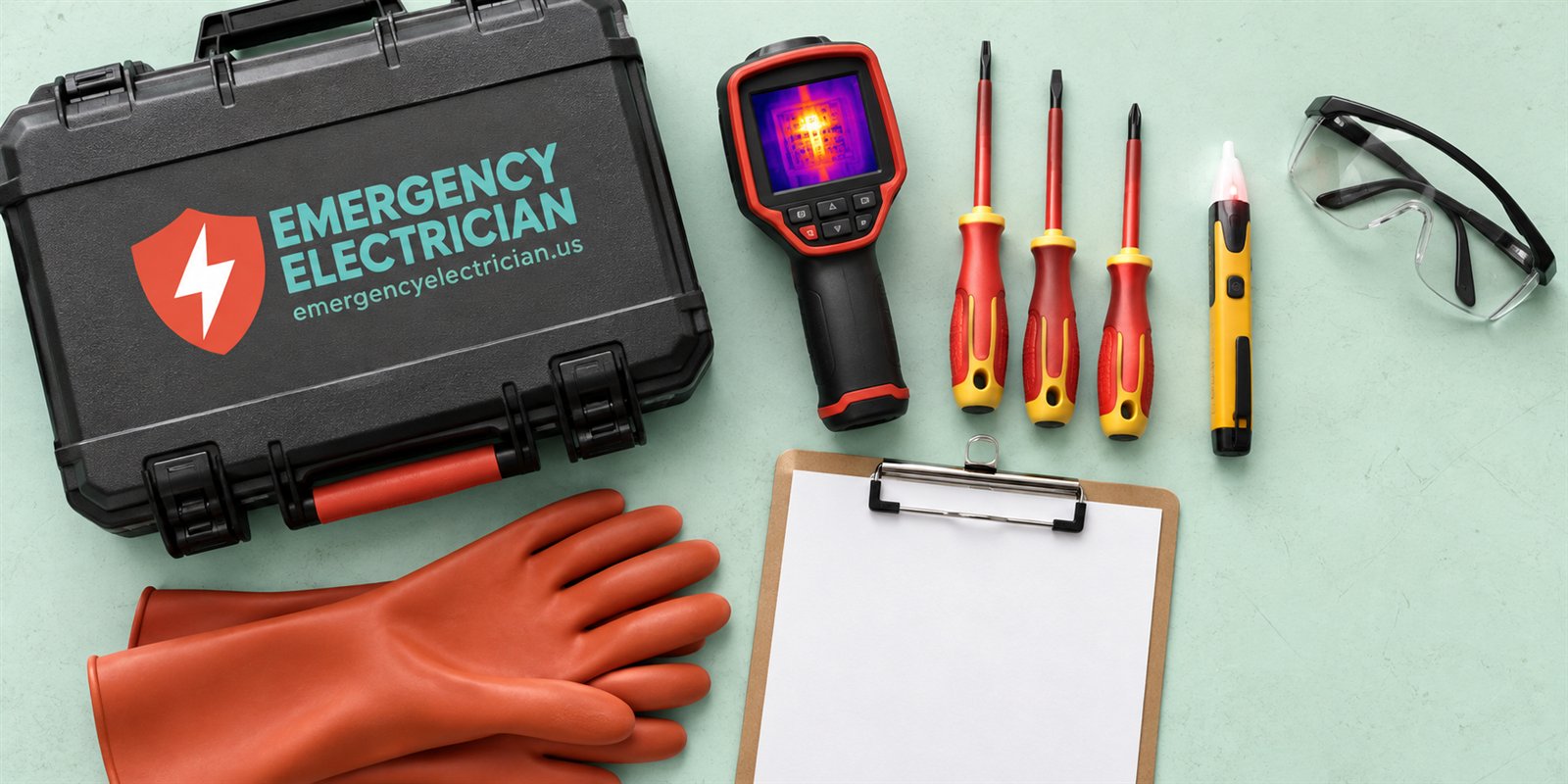
A thermal camera used while the circuit is carrying a safe test load can reveal hot spots at other connections, which helps to find a pattern. If every device on a circuit has a similar issue, the cause may be an overloaded circuit or a loose neutral rather than a single bad outlet. The technician looks for that cause, since replacing wiring without finding why it overheated invites a repeat.
The result is a map: this section is healthy, this section is questionable, this section is damaged. The repair plan follows that map, and a good technician explains it in plain words and shows you the evidence.
Choosing between local replacement and full-run replacement
When the damage is confined to a short stretch near a device, the usual repair is to cut back to clean, flexible, undamaged conductor and make the connection again with a new device and, where needed, a new box. Cutting back means removing enough wire that the new termination is on good insulation and bright copper. If this leaves the conductors too short to reach the device, a short piece of new wire is added with listed connectors inside an accessible box.
When the damage covers a long section, or when the insulation along the run is brittle, replacing the full run is usually better. Every splice is a potential weak point, and a run of old, heat-affected wire is a weak point itself. The new cable is routed from the panel or the preceding box to the device, sized to the circuit's breaker and the load. The old cable is removed, or if removal would require wall damage, it is disconnected at both ends and secured so that it cannot become energized.
In attics and in older buildings, replacement may expand if the technician finds that the same type of wire throughout is brittle. The decision is then about how much risk remains. Our page on whether to repair or replace after a failure explains how that tradeoff is weighed.
Whichever path is chosen, the new connections are made in accessible boxes, and the cable is protected where it passes through framing. Our page on repairing damaged wiring properly covers the junction requirements in detail.
Finding the cause so it does not happen again
Heat events have causes, and the cause must be found. The most common is a loose connection. A wire that is not tight under a terminal screw, a back-stabbed connection that has loosened, or a worn outlet that no longer grips plugs firmly can create resistance and heat. The second is overload: too many devices on one circuit, or a device that draws more than the circuit is designed for, such as a space heater on a light-duty circuit.
Other causes include a wrong-size breaker that lets too much current flow in thin wire, damaged conductors, corrosion from moisture, and poor splices. A failing appliance cord or a power strip can also be the source. Loose neutrals can cause voltage problems that overheat equipment. Our page on a warm or discolored outlet lists early warning signs of this kind.
The technician looks at the circuit's load. If you were running a heater or a window air conditioner on a circuit shared with other equipment, that may be the story. If so, the fix may include adding a dedicated circuit rather than just replacing the burned section. Our guide on space heater and window AC circuit safety explains the load limits.
Be honest with the technician about what was plugged in and how long it ran. The information is not about blame. It is the clearest way to find the cause, and the repair is better when the cause is known.
Related damage: boxes, devices, panels and nearby materials
Burned wiring is rarely alone. The device at the end of the wire, whether an outlet, a switch, a fixture or a breaker, is usually damaged and must be replaced. A device that has been through heat cannot be reused, even if it appears to work. The box may also be damaged. Melted plastic boxes should be replaced, and metal boxes should be checked for pitting, discoloration or loss of the connection points.
If the burn was in the panel, the situation is more serious. Scorched bus bars, melted breaker housings or burned wire insulation in the panel may mean the panel itself needs replacement. Our pages on a burned bus bar and urgent panel replacement describe how that decision is made. The panel is the heart of the system, and heat in it can affect every circuit.
Nearby building materials must be inspected. Charred framing, insulation and drywall may need repair by the appropriate trade. If there was a fire, a building inspector or the fire department may require inspection before the electrician's repairs are covered. Smoke and soot can corrode electronics and metal, so equipment on the circuit and in the room may need to be checked or replaced.
If an insurance claim is involved, photograph everything before repairs and keep the damaged components if the technician agrees. Our guide on electrical damage and insurance documents explains what to keep.
Three examples of how heat damage plays out
Example one: a bedroom outlet where a window air conditioner ran all summer. The cover plate is brown and the outlet smells hot. The technician finds the receptacle's contacts loose, the terminal screw darkened, and the insulation on the two conductors brittle for about a foot back from the box. The repair cuts back to flexible insulation, replaces the receptacle and box, and, because the air conditioner draws heavy current, recommends a dedicated circuit instead of a shared one.
Example two: a kitchen where a toaster oven and a coffee maker share a circuit with the dishwasher. A breaker has not tripped, but a switch near the counter is warm and has a faint odor. The technician finds a back-stabbed connection that has loosened and a pitted conductor end. The damage is limited to the switch box, and the repair is a new switch with the wire terminated under a screw, with cut-back conductors. The shared load is discussed so that the cause is addressed.
Example three: an attic after a roof leak and a summer of heat. A homeowner sees a dark patch on the ceiling below a junction box. In the attic, the technician finds a splice made with tape, which has failed, a box with melted plastic, and cable insulation that has cracked along several feet. Here, the whole run is replaced and the box is rebuilt in an accessible position. Our page on urgent attic wiring repair explains why attics are such a common location for this kind of failure.
In each case, the visible damage was the starting point and the evidence-based inspection set the real scope. Notice also that in each case someone was able to reduce the harm by noticing a smell or a warm cover plate early, and calling instead of waiting.
The repair process, step by step
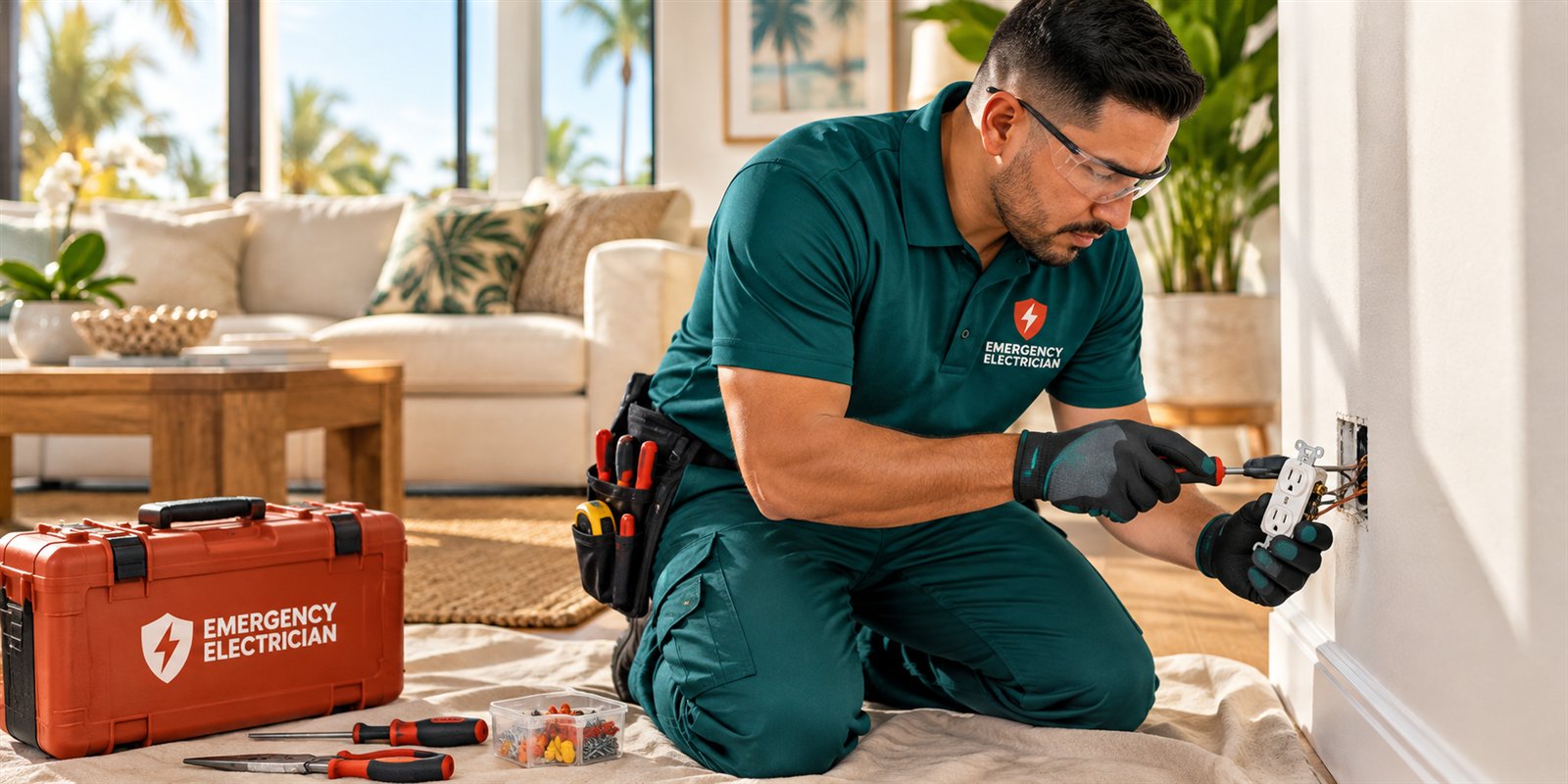
A typical heat-damage repair follows a clear order. First, the technician makes the area safe. The circuit is shut off, confirmed dead with a meter, and locked or tagged so that nobody turns it on. Second, the damage is assessed using the methods above, and the extent of replacement is agreed with you. Third, the damaged devices, boxes and wire are removed.
Fourth, new cable is run if needed, with proper supports and protection. New boxes and devices are installed, sized and rated for the circuit. Connections are made with correct torque on terminals and listed connectors. If the circuit is protected by arc-fault or ground-fault devices under the adopted standards, those are installed or verified. Fifth, the circuit is tested for insulation, continuity and polarity before the power is restored.
Sixth, power is restored gradually, and the technician watches for heat using an infrared thermometer or camera under load. They may run the circuit with a safe test load for a period of time to confirm there are no hot spots. Seventh, the work is documented, and if a permit is required, inspection is arranged. In many cities, replacing a circuit's wiring requires a permit, and the technician will say whether that applies. See our guide on whether emergency electrical work needs a permit.
Throughout, you should be told what is found. If the technician discovers more damage than expected, they should stop and explain before proceeding.
Living in the home while repairs are pending
Sometimes a full repair cannot happen at once. Parts may need to be ordered, an inspector may need to be scheduled, or the work may require a longer visit. In that interval, the safest approach is to keep the damaged circuit de-energized and plan for what it served. If the circuit powered a bedroom, use another room or a safe alternative until the repair is done. If it powered a kitchen counter, use appliances in a different, undamaged location rather than running a cord across the room.
Do not use extension cords to borrow power from another circuit through doorways or windows. Cords run that way are easily damaged, can overload the supplying circuit, and are a tripping hazard. If you must use a cord for a short time, use a heavy-duty cord rated for the load, keep it fully uncoiled and in sight, and unplug it when not in use. Do not run a cord under rugs.
Smoke detectors should be working in the home during this time. Test them, and if the circuit that powers them is affected, check that battery backup is present. Keep a fire extinguisher accessible, and make sure everyone knows the exit routes. If the event involved smoke, ventilate the area, and consider the air quality if anyone in the household has breathing issues.
Watch the area for any change: new warmth, odor, discoloration or sound. If anything changes, call right away. If the breaker for the damaged circuit is in a shared panel, tape a clear note to the panel cover (not over the breaker) so that nobody turns it back on by mistake.
Calling for help and what to prepare
When you call, say what happened plainly: what burned or overheated, what you smelled, what you saw, and whether a breaker tripped. Say whether the fire department attended. Describe what was plugged in or running at the time. If there was smoke, tell the dispatcher so they can ask about air quality and whether anyone needs to stay elsewhere.
Have the address, any nearby access instructions and the location of the panel ready. Keep the affected circuit off. Take photographs from a safe distance, and write down the time and what you did. If you rent, tell your landlord or property manager at once and keep a copy of your message. Do not clean away soot or discard burned parts before the technician and, if there is a claim, the insurer have seen them.
Quotes are given only by phone, and complicated jobs need an on-site visit. There is a service call charge, and it is explained on the phone before dispatch. Ask what the visit will include, and whether the technician will provide written findings. Written findings help with insurance and give you a baseline for the building.
If you have seen scorching, melting or a persistent burning smell, do not wait. Call and describe what is happening, and a dispatcher can help you decide what to do right now and how to prepare for a technician to examine and repair the damage.
Questions people ask
If only the outlet is burned, why replace the wiring?
Because heat travels along the conductor and can weaken insulation beyond the visible burn. The damaged section may look normal but be brittle. A technician checks the wire back from the device and cuts back to healthy conductor, and sometimes replaces the run. Replacing only the outlet can leave a hidden weak point behind.
Is it safe to use the circuit if the breaker did not trip?
No. Overheating connections often do not draw enough extra current to trip a breaker. A burned outlet or discolored wire means something has been generating heat. Keep the circuit off, do not plug anything in, and have it examined. Turning the breaker back on to test it risks starting the problem again.
How does a technician know how much wire to replace?
By inspection and testing. They examine insulation for brittleness, discoloration and cracking, work outward from the burn at each accessible point, and use insulation resistance tests on isolated sections. When damage is limited, a local repair is possible. When insulation is heat-affected over a long length, replacing the full run is safer.
What if the burned wiring is inside a finished wall?
The technician can open a box at each end, test the run, and decide whether to fish a new cable through the same path or route it elsewhere. Splices inside the wall are not acceptable. If access is needed, the opening is kept as small as practical, and the patching of drywall is usually a separate trade.
Will insurance need anything from me?
Possibly. Photograph the damage before repairs, keep damaged parts if the technician agrees, and ask for written findings describing the cause and the work done. Note times and the names of those involved. Your insurer will say what it requires. Keep permits, inspection records and invoices with your property papers.
Could this be caused by something I did?
Sometimes it is overload from running a heater or air conditioner on a shared circuit, but often the cause is a loose connection, a worn outlet or aging wire. Tell the technician exactly what was running. The purpose is to find the cause so it can be corrected, and not to assign blame.
About "Replacing Wiring Damaged by Heat": call and give us the details, and we will explain what is safe to do while you wait and what the visit would cover. Jobs that cannot be quoted blind need a look on site.
Related pages
- Wire Repair and Splicing: How damaged wiring from rodents, nails or heat is repaired in approved accessible junctions, why hidden splices are not acceptable, and what to do meanwhile.
- Warm Outlet: A warm, browned or melted outlet is a heat warning. Learn how to read the damage, what to unplug, when it is a same-day call, and what a technician checks.
- Burning Smell: A burning smell with no flames is still a warning. Learn how to choose between 911 and an urgent electrician call, and what to do while you wait.
- How Electrical Fires Start: A plain explanation of how arcing, overheated connections and overloaded wiring can start a fire inside walls and panels, and what to do when you suspect one.
- Restaurant Kitchen: When a restaurant kitchen loses power, hood, walk-in and line equipment circuits all matter, and so does food safety timing. See safe steps and what to tell us.
- Retail Outage: When store lights or registers go dark during business hours, panels, lighting circuits and point-of-sale power all matter. See safe steps and what to report.