
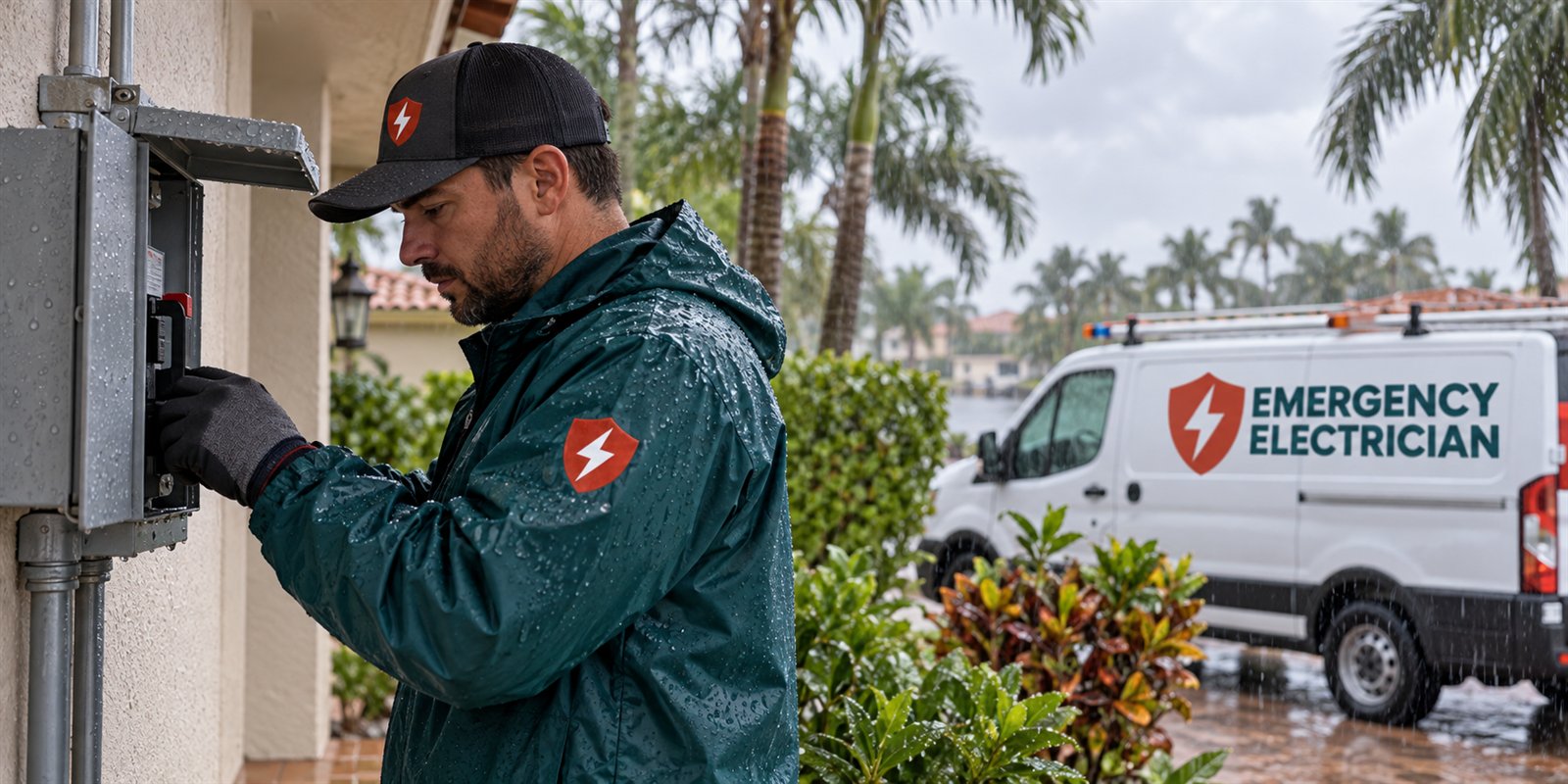
Get out first
Carbon monoxide is a gas with no color, no smell and no taste. It is produced whenever fuel burns without enough air, and a gasoline or propane generator makes a lot of it. Breathing it displaces oxygen in the blood, and the first signs, headache, dizziness, nausea, weakness and confusion, are easy to mistake for tiredness or a stomach bug. People can lose the ability to think or move before they realize something is wrong.
If your carbon monoxide alarm sounds while a generator is running, do not stop to investigate. Move everyone, children, adults, older relatives and pets, out of the building and into fresh air at once. Leave doors open behind you only if that costs no time. Do not go back in for belongings. Do not try to find the source first.
Once outside and a safe distance from the building, call 911. Say that a carbon monoxide alarm is sounding and a generator was running. If anyone has symptoms, tell the dispatcher at once. Stay outside until emergency responders say it is safe to go back in. This situation is not an electrician call yet. The electrician comes after the danger has passed.
Why a running generator is the usual suspect
A portable generator is an engine, and an engine exhaust is full of carbon monoxide. Outdoors in open air, the gas disperses. Indoors, in an attached garage, in a carport enclosed on three sides, near a window or a door, it does not. Exhaust can drift in through open windows, door gaps, dryer vents, crawl space openings and air handling returns. Even a generator that is outside can poison a house if it is too close to openings, or if wind pushes the exhaust toward them.
After hurricanes and other storms in South Florida, carbon monoxide poisonings from generators are a recurring public health problem. People run generators in garages to keep them from being stolen or rained on, or run them just outside a window to keep a bedroom cool. Both are dangerous.
Opening a garage door does not make it safe. Fans do not make it safe. A generator in a closed or partly closed space can fill a home with carbon monoxide even with doors and windows partly open. Rules of thumb that keep generators far from the house, in open air and pointed away, exist for exactly this reason. The generator itself is not the only source. Charcoal grills, camp stoves, gas ranges used for heating and vehicles idling in garages can also produce the gas.
Recognizing carbon monoxide poisoning
Because the gas is invisible, symptoms and the alarm are the main signals. Early signs often include a dull headache, dizziness, tiredness, nausea and shortness of breath. As exposure continues, confusion, blurred vision, loss of coordination and loss of consciousness can follow. Infants, older adults, people with heart or lung conditions, pregnant women and pets are affected sooner.
A group of people in the same space all feeling unwell at once, while the symptoms ease when they go outside, is a classic clue. People who are asleep may not notice symptoms at all, which is why working alarms matter overnight.
If anyone has symptoms, tell the dispatcher. Do not drive yourself or others to the hospital if the person is confused or drowsy. Let emergency services handle it. Fresh air is the first step, and medical evaluation is the second, even if the person seems to recover.
- Headache, dizziness or nausea that starts together in several people
- Confusion, weakness or drowsiness
- Symptoms that improve outdoors and return indoors
- Pets that seem unwell or sleepy
- An alarm sounding while any fuel burning device is running
What to do, in order
The sequence is short and worth memorizing. It is better to leave and be wrong than to stay and be right. A false alarm costs a few minutes. A real event can cost a life.
Do not use this moment to try to fix the generator or the wiring. Do not try to switch it off if that means staying in the building or going into the garage. If the generator is outdoors and you can switch it off from a safe distance without going into a contaminated space, that is acceptable, but only if it takes seconds.
- Move everyone and pets outside into fresh air immediately.
- Call 911 from outside and say carbon monoxide alarm, generator running.
- Tell the dispatcher about any symptoms.
- Stay outside and keep away from doors and windows.
- Do not re-enter until emergency responders confirm the air is safe.
- Seek medical evaluation for anyone who had symptoms.
Why this is not an electrician call yet
People searching at this moment often look for an electrician, because the generator is an electrical device and the home may be without power. But the immediate problem is a toxic gas, not a wiring fault. An electrician cannot clear the air, treat anyone who is ill or decide that it is safe to go back inside. The fire service has gas meters and the training to do that.
Calling an electrician first also wastes time that matters. Emergency services should be the first call. When the home has been cleared, then an electrician can help with the power side of the problem, which may be significant.
That power side includes how the generator was connected, whether it was feeding the house through a cord, a transfer switch or an improper connection, and whether the house wiring is safe to use. Our page on generator backfeed risk explains why a wrongly connected generator is a danger to utility workers and neighbors, not just to you.
What an electrician can help with afterward
After responders have cleared the home, there are electrical questions to address. First, how will you have power safely? If the home has an inlet and a properly installed transfer switch or interlock, a generator can feed selected circuits from a safe outdoor location. If the generator has been connected by an improvised method, such as plugging into a dryer outlet with a homemade cord, that must stop.
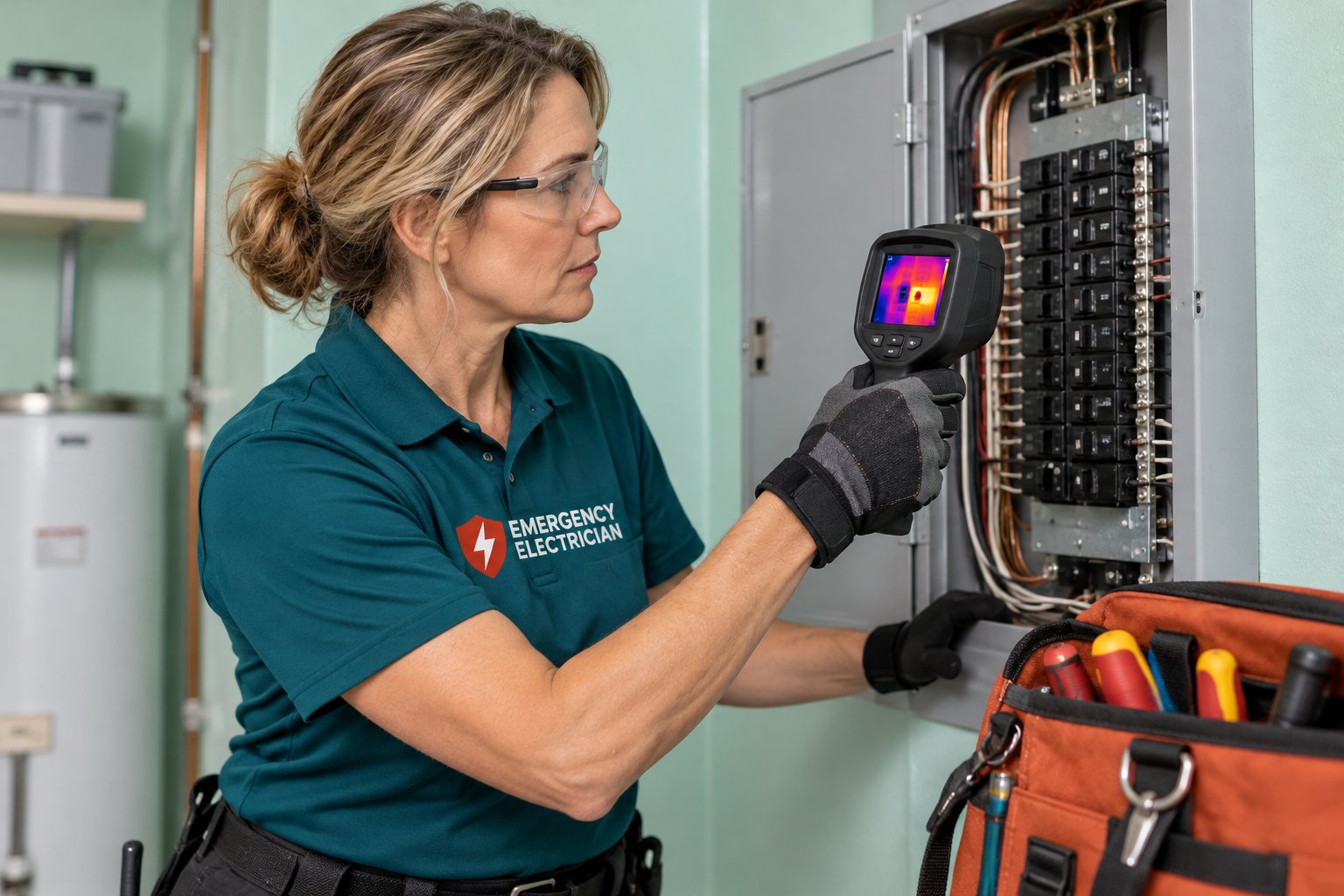
Second, is the wiring sound? A generator that backfed or overloaded circuits may have stressed outlets, cords and the panel. A technician can check for heat damage, tripped devices, and any evidence of the house being energized from the generator through the wrong path.
Third, planning. A well-designed standby arrangement, with the generator outdoors at a safe distance from openings and a proper connection to the home, avoids many of the risks that cause nights like this. Our guide on generator inlet and transfer switch basics explains what the equipment is for. Quotes for that work are given only by phone, and bigger jobs need an on-site visit.
Where a generator should and should not be
Without giving a design, a few principles are widely taught. A portable generator belongs outdoors, in open air, on level ground, pointed so exhaust drifts away from the home and from neighbors. It should be kept well away from windows, doors, vents and the garage. It should be kept dry but not enclosed. A shelter or cover that traps exhaust defeats the purpose.
Do not run a generator in a garage, a carport, a lanai, a shed, a basement or a crawl space, even with doors open. Do not place it close to a window or a door that you may open. Remember wind can change direction, and so can the exhaust path.
Carbon monoxide alarms should be present on each level of the home and near sleeping areas, and battery backup matters during outages. Test them. Replace them at the end of their life. If you do not have them, getting them before the next storm is one of the most valuable safety steps. Our page on generator safety after a hurricane goes through what to plan before the next event.
Power safety around a generator
Besides the gas, generators have an electrical risk. Never connect a generator to the home by plugging it into a wall outlet, which is called backfeeding. It can energize utility lines and injure line workers or neighbors, and it can overload household wiring. Use properly rated cords, direct from the generator to the appliance, kept dry and undamaged, or have a qualified electrician install an inlet and a transfer device.
Refuel only when the generator is off and cool, outdoors, since hot parts can ignite fuel vapors. Store fuel outside living spaces. Keep the generator dry, but never run it under a tarp that traps exhaust. Do not touch the generator with wet hands or while standing in water.
If a generator trips its breaker, smokes, sparks, or runs unevenly, shut it off and do not keep going. Our page on generator breaker trips under load covers that case separately, once everyone is safe.
Who is most at risk, and why nights matter
Carbon monoxide is dangerous to everyone, but some people are affected sooner or more severely. Infants and young children breathe faster and have smaller bodies. Older adults and anyone with heart or lung conditions have less reserve. People who are asleep or have been drinking may not feel symptoms at all. Pets often show signs first, and a pet that suddenly seems drowsy or ill when a generator is running is a warning worth heeding.
Nighttime is the highest-risk period during storm outages. Generators are often left running overnight to keep refrigerators or fans going, and everyone is asleep with windows closed against the weather. A battery-powered or battery-backed alarm near the bedrooms is the only thing standing between a sleeping household and the gas.
If you must run a generator through the night, put it as far from the home as the cord allows, in open air, and test the alarms before bed. Do not rely on feeling fine as a sign of safety. The gas builds up quietly and the early symptoms are easy to miss.
Planning before the next storm
Most generator poisonings are preventable with a plan made when the weather is calm. Decide in advance what you actually need to power: a refrigerator, a few lights, a fan, a phone charger, medical equipment. A small list means smaller equipment and less running time. Decide where the generator will sit, and where its exhaust will go, before the storm.
Check the alarms and their batteries at the start of hurricane season. Keep spare batteries with your emergency supplies. Write down the emergency plan and make sure every adult and older child knows it, including what the alarm sounds like and where to meet outside.
If you want a safer way to power the home than extension cords, ask about a properly installed inlet and a transfer device. That is work for a qualified electrician and may involve a permit. Our guide on the electrical emergency kit for the home lists the other items worth having on hand before a storm arrives.
After the all-clear
When emergency responders tell you it is safe to go back in, take it slowly. Ask what the readings were and what they believe the source was. Do not restart the generator until you understand how the gas got in and you have fixed that, either by moving the generator or by sealing the path. If anyone had symptoms, follow the medical advice you were given, even if they feel better. Some effects can persist or return.
Ventilate the home and keep the alarms active. If a gas appliance, a vehicle or a fuel-burning heater was involved, have that equipment checked by the appropriate professional before it is used again. For the electrical side, hold off on reconnecting any improvised power arrangement.
Write down what happened, the time, the alarm type and the actions taken. If you are in a rental or a building with an association, notify management, since a carbon monoxide event can affect other units. Then call for the electrical review, and tell the dispatcher that the situation involved a generator and an alarm so the technician arrives prepared to look at the connection and the household wiring.
Example situations
After a storm, a family ran a generator in their attached garage with the garage door cracked open, and ran a cord into the kitchen. Overnight, the alarm in the hallway sounded. They left at once and called 911. Everyone was examined and recovered. The next day an electrician reviewed how the house was powered and discussed a safe outdoor setup.
A neighbor set a generator on a porch near a bedroom window to keep a fan running. The alarm sounded at three in the morning. The family went outside and the fire service measured elevated readings in the bedroom. The generator was moved well away, the alarm was kept, and the family now keeps a plan for outages.
In a condo building, a resident ran a generator on a balcony during an outage. Exhaust drifted into several units. Alarms sounded in more than one. The lesson there is that a generator can affect neighbors, and buildings may have rules about where generators may be used.
Prevention and what to do next
Have working carbon monoxide alarms on every level and near bedrooms. Keep generators outdoors, away from openings. Plan how you will power essential items before storm season, and consider a properly installed connection rather than improvised cords. Make sure everyone in the household knows what to do when an alarm sounds.
If a carbon monoxide alarm is sounding with a generator running, get out and call 911 first. Once the danger has passed and responders have cleared the home, call for an electrician to look at the wiring and the safe way to restore power. A dispatcher can explain the service call before anyone is sent.
Questions people ask
Should I call an electrician or 911?
Call 911. A carbon monoxide alarm with a generator running is a life-safety emergency, and responders can measure the air, treat anyone affected and decide when it is safe to re-enter. An electrician can help afterward with how the home is powered and whether the wiring is safe.
Is it okay to open the windows and stay?
No. Carbon monoxide can build up faster than ventilation clears it, and symptoms can impair your judgment. Get everyone outside into fresh air, including pets, call 911, and stay out until emergency responders say the air is safe. Do not go back in for belongings.
What if the generator is outdoors?
A generator outside can still send exhaust into the home through windows, doors, vents and gaps, especially if it is close or if the wind shifts. If the alarm sounds, treat it as real. Leave, call 911, and have the generator moved farther from the building once responders allow.
Could the alarm be false?
It could, but you cannot know without measurement, and the risk of being wrong is serious. Treat every carbon monoxide alarm as real, especially when a fuel-burning device is running. Responders can check the air. Replace alarms at the end of their life to reduce false alarms.
When should I call an electrician about the generator?
After responders have cleared the home. An electrician can check how the generator was connected, look for heat or overload damage, and discuss a safe way to feed the home, such as a properly installed inlet and transfer device. Never backfeed the house through an outlet.
How will I know the price for that work?
Quotes are given only by phone, and the dispatcher explains the service call charge before anyone is sent. Inspections can be described by phone, while installing an inlet, interlock or transfer switch needs an on-site visit so the true scope is understood.
About "Carbon Monoxide Alarm With a Generator Running": call and give us the details, and we will explain what is safe to do while you wait and what the visit would cover. Jobs that cannot be quoted blind need a look on site.
Related pages
- Backfeed Danger: Plugging a generator into a wall outlet can send power back onto the utility lines. Learn why backfeeding is dangerous and what proper isolation involves.
- Generator Safety: Portable generator safety after a hurricane: placement, carbon monoxide, refueling, cords and backfeed, with when to call 911 and when to call an electrician.
- Inlet and Transfer: Plain-language guide to generator inlets, interlocks and transfer switches, and why they are safer than backfeed cords. For homeowners planning ahead.
- Alarms, No Fire: Smoke alarms sounding with no visible fire can have electrical causes. Learn how to sort a 911 situation from a wiring problem and what to do next.
- Panel Buzzing: Some panel hum is normal, but loud buzzing can signal arcing or a loose connection. Learn to sort the sounds and what to tell the dispatcher about them.
- Smoking Fixture: A ceiling light that smokes or drips melted parts is overheating. Learn what to do now, why wrong bulbs and insulation contact matter, and how it is repaired.