
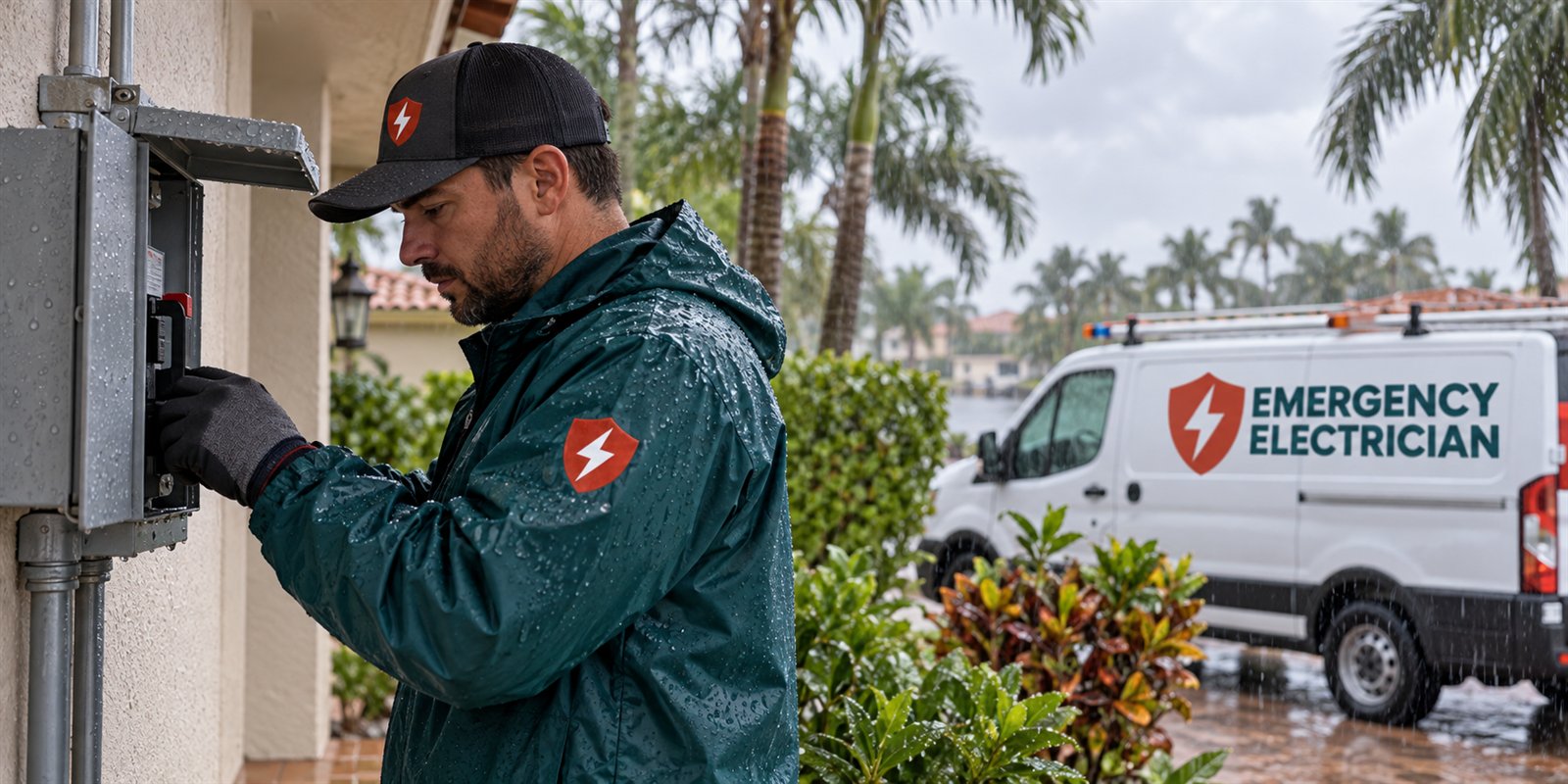
What backfeeding is
In normal operation, power flows from the utility through the meter and the panel to the circuits in your house. A generator provides an alternate source. The safe way to connect it is through equipment that keeps the house separated from the utility lines whenever the generator is running. Backfeeding is any connection that lacks that separation.
The most common form is a homemade cord with a plug on both ends, a male-to-male cord, connected from the generator to a wall outlet. The idea is that the generator will energize the circuit and then the rest of the house through the panel. Another form is connecting a generator to a dryer or range outlet in the same way, or wiring it to a breaker in the panel without proper interlocking.
These setups are attractive during an outage because they promise to power the whole house with one connection and no extra equipment. They also create a hidden path for electricity to flow in directions the system was not designed for, with consequences that extend well beyond your property.
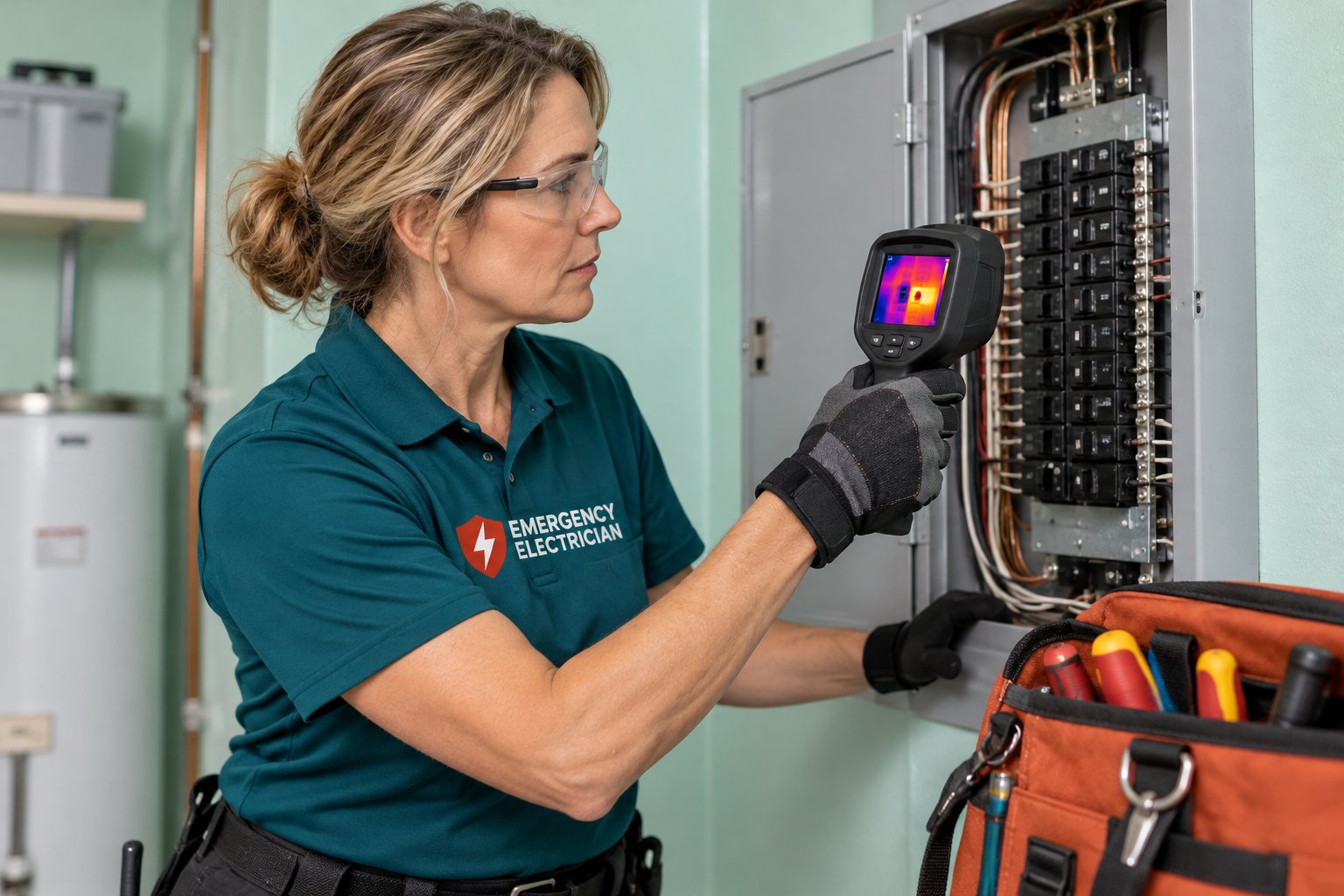
How backfeed reaches the utility lines
Your house connects to the utility through a service drop that runs to a transformer. That transformer works in both directions. When you energize your house wiring from a generator, the power flows through the panel and meter into the service conductors, and then into the transformer, where it is stepped up to a much higher voltage on the neighborhood lines.
A generator that produces 240 volts at your house can send thousands of volts onto lines that the utility believes are de-energized. Lines that are down or that crews are working on may be considered dead based on the grid being out. A backfed line is not dead. The power flows backward through the transformer and reaches conductors that people are touching.
This is the central reason backfeeding is treated so seriously. The people most at risk are not in your house. They are utility workers repairing storm damage, and anyone, including a neighbor or a first responder, who comes into contact with a line that appears to be out of service. Our page on a downed wire in the yard reminds you that fallen lines should always be treated as live.
The danger to lineworkers and neighbors
After a hurricane or major storm, crews work long hours in difficult conditions to restore service. They isolate and ground sections of line so that they can work safely. A backfeeding generator can energize a section they believe to be isolated, which can cause severe injury or death.
The danger also reaches the neighborhood. A backfed transformer can energize lines that run past other homes, and if a line is on the ground, anyone who touches it or steps near it can be hurt. The utility cannot know which houses are backfeeding, which is why it asks customers never to connect generators in this way.
Utilities and safety organizations have warned about this hazard for many years, and it remains a risk after almost every large storm. Responsible installation of backup power protects those crews. When the utility restores power, it expects that every customer with a generator has isolated the house from the grid, so that the two sources can never meet.
The dangers inside your own home
Many people who have backfed a house report that it worked and nothing bad happened. That tells only part of the story. The risk is concentrated in a few moments: when power is restored, when a worker touches a line, when a cord is touched, when a breaker is left on. A system that works for days can fail catastrophically in seconds.
- Energized male-to-male cords have exposed prongs that are live when the generator runs, creating shock and electrocution risk
- Overloaded house wiring can overheat, since the branch circuit and its wire may be pushed beyond what they are designed to carry from the outlet end
- Breakers may not protect the wiring in the way they normally do, because the current path is unusual
- When utility power returns while the generator is still connected, the two sources collide and can destroy the generator, damage appliances and start a fire
- Generators produce carbon monoxide, and running one in a garage, a carport or near windows is deadly
- Backfeeding can energize neutral and ground conductors in unexpected ways, producing shock hazards at faucets and appliance frames
- Homeowner's insurance and the utility may treat unlawful connections as a serious matter
What happens when utility power comes back
Utilities restore power without warning to each house. If a generator is feeding the house wiring in a backfed configuration when the utility energizes the line, the two sources meet out of phase. The result can be a violent surge: the generator's windings can burn out, the generator can run as a motor and fly apart in extreme cases, and the sudden current can trip breakers, melt cords and damage electronics throughout the house.
In some cases the surge starts a fire in the cord, the outlet or the panel. A person standing near the generator or the cord at that moment can be injured. This is one reason every professional approach to standby or portable generator connections includes a mechanical or electrical interlock that makes the simultaneous connection of both sources impossible.
If you realize your generator is connected to the house through an outlet or an improvised connection, shut down the generator and disconnect the cord before power returns, if you can do so safely. Do not wait until the lights come on to find out whether it is a problem. Then arrange for a proper connection or run cords directly to appliances from the generator.
What proper isolation involves
There are several recognized ways to connect a generator to a house without backfeeding, and each involves equipment designed and installed by a qualified electrician. The details depend on the house, the generator and local rules, and the work generally requires a permit and inspection.
A transfer switch is a device that moves selected circuits, or the whole house, from the utility to the generator, and physically cannot connect both at once. A manual transfer switch is operated by a person, and an automatic transfer switch senses the outage and moves the load itself. Transfer switches come in several forms, from small circuit-specific units to whole-house service-rated ones.
A generator interlock kit is a mechanical device that fits on the panel and prevents the main breaker and the generator breaker from being on at the same time. It is used with a dedicated generator inlet, a weatherproof receptacle on the outside of the house wired to the panel. The generator plugs into the inlet using a proper cord, and the interlock ensures the house is isolated from the utility. Our page on generator inlet and transfer switch basics explains how these parts fit together.
Safer ways to use a portable generator without a connection to the house
If you do not have a transfer switch or an interlock, the safest approach is to power appliances directly from the generator using heavy-duty outdoor-rated cords that are in good condition and rated for the load. Run the cords from the generator to the items you need, such as a refrigerator, a few lights or a fan, and keep the generator outdoors, on a dry surface, well away from windows, doors and vents.
Keep the generator out of rain and standing water. Carbon monoxide is a hazard that does not depend on how the generator is connected, so a working carbon monoxide alarm inside the home is important. Our page on a carbon monoxide alarm when a generator is running explains the warning signs and what to do.
Do not overload the generator, do not refuel while it is running or hot, and do not connect it to the house using adapters or improvised parts. Our page on a portable generator that trips under load covers how to manage loads. If you are unsure whether your setup is safe, call and ask before you start the generator.
If you already backfed or find an improvised connection
People sometimes discover an improvised connection in a home they bought or rented, such as a male-to-male cord kept in the garage or an unusual inlet wired in without an interlock. If you find one, do not use it. Do not plug it in, and do not assume that it is safe because it has been there a long time.
If you used one during an outage, shut the generator down, disconnect the cord from the outlet and from the generator, and do not reconnect it. Check the generator, the cord and the outlet for heat damage, melting or discoloration. If anything looks damaged, or if you noticed flickering lights, tripped breakers, a burning smell or sparks, treat that as an emergency and call.
A technician can inspect the panel, the outlet and the wiring involved, and can advise on what proper connection options exist. They may recommend replacing damaged outlets or wiring that were overstressed. Our page on an outlet that is warm or discolored explains what to look for.
Myths people repeat during an outage
One common belief is that turning off the main breaker makes backfeeding safe. It does isolate the house, but only if the breaker is truly off, works properly and stays off. A family member who flips it back on, a breaker that fails to open fully, or a moment of forgetfulness when the generator is started can change the outcome. Equipment that makes isolation automatic or mechanical removes that dependence on memory.
Another belief is that a small generator cannot hurt anyone down the line. Transformers step voltage up in reverse as readily as they step it down, so a modest generator can still raise a line to a dangerous level. The size of the generator is not the point; the path it creates is.
A third is that the neighbors will not mind, or that no one will know. The risk does not depend on whether anyone knows. It depends on whether a worker or a bystander touches a line that is unexpectedly live. A final myth is that a cord that fits must be meant for the job. A plug that fits a receptacle is not proof that the connection is safe, and male-to-male cords are dangerous for exactly this reason, because the exposed prongs of the unplugged end are live while the generator runs.
What the electrician checks before installing a safe connection
The neutral and bonding question is easy to overlook, and it matters. Depending on how the generator and transfer equipment are arranged, the neutral may need to be switched or left continuous, and mistakes can create shock paths. This is exactly the kind of detail that makes do-it-yourself connections unsafe, and it is why the work belongs to a qualified electrician.
- The panel's brand, rating and available space, and whether an interlock kit is listed for that panel
- The generator's rated output, receptacle types and whether it is suited for connection to a house inlet
- Which circuits you want to power during an outage, such as the refrigerator, lights, fans, a well pump or part of the cooling system
- Where the inlet can be mounted outdoors, away from windows, with room for the generator and a proper cord
- The condition of the grounding and bonding, and whether the generator is a bonded neutral or floating neutral type
- Local permit requirements and any rules for fuel storage and generator placement
- Whether the home is better served by a portable generator with an inlet or by a standby unit with an automatic transfer switch
Realistic examples
After a hurricane, a homeowner in Deerfield Beach buys a portable generator and a double-ended cord from a hardware store. The cord is plugged into a dryer outlet, the main breaker is switched off and the generator starts. The house lights come on. Hours later, a utility crew restores the neighborhood feeder. The homeowner is not home, and the generator is still running. The collision burns out the generator and leaves a scorched outlet. A technician later replaces the damaged parts and installs an interlock and inlet.
A condo owner in Hollywood hears a neighbor describing how to power the unit by plugging a generator into a spare outlet on the balcony. The owner calls an electrician instead and learns that a balcony outlet, a shared building system and generator fuel rules all make the idea unworkable. The practical answer is a few cords to appliances, plus the building's own arrangements.
In a Coral Springs house, a previous owner left a homemade inlet box wired to a double-pole breaker with no interlock. The new owner is warned by an inspector, and the electrician replaces it with a properly rated inlet and interlock. In each case, the original idea felt like a clever shortcut. The better outcome came from asking before connecting.
Planning ahead and calling for help
The best time to arrange a safe connection is before hurricane season, not during an outage when electricians are in high demand. A technician can assess your panel, recommend a transfer switch or an interlock and inlet, advise on generator sizing and explain permit requirements. Our page on when to add a surge device or generator explains the decision.
If you are in the middle of an outage and want to know whether a plan is safe, call the number on this page and describe it. Quotes are given only by phone. A service call charge applies and is explained before dispatch, and a complicated installation needs an on-site visit before a quote can be given. The dispatcher cannot promise arrival windows during a widespread event, but can explain how the process works.
If someone is hurt, if there is a fire or if you smell fuel or smoke, call 911 first. Otherwise, shut down the generator, disconnect any improvised connection and call, and the dispatcher will take it from there.
Questions people ask
Is it ever safe to plug a generator into a wall outlet?
No. Plugging a generator into a wall outlet with a double-ended cord energizes the house wiring without isolating it from the utility, and it can send power back onto the lines, endangering lineworkers and neighbors. It also exposes you to live prongs and creates a fire risk when utility power returns. Use proper equipment installed by a qualified electrician.
What is the difference between a transfer switch and an interlock?
A transfer switch is a device that moves circuits between the utility and the generator and cannot connect both. An interlock is a mechanical plate on the panel that prevents the main breaker and the generator breaker from being on together, used with a generator inlet. Both isolate the house. The choice depends on the panel, the generator and how many circuits you want to power.
My generator has a 240-volt outlet. Can I connect that to the dryer plug?
Not safely. A dryer outlet is a house circuit, and connecting a generator to it is a form of backfeeding unless the house is isolated by proper equipment. The cord's exposed prongs are also live. Run cords directly from the generator to appliances, or arrange a transfer switch or interlock with inlet through a qualified electrician.
How do I know if my house has an improvised generator connection?
Signs include a double-ended cord stored near the generator, an unusual outdoor receptacle or box wired to the panel, or a breaker in the panel labeled for generator use without a matching interlock. If you find any of these, do not use them. A technician can inspect and advise on a proper replacement.
Does turning off the main breaker make backfeeding safe?
Switching off the main does isolate the house from the utility, but it relies on every person remembering to do it, every time, and on the main working properly. A mistake, a failed breaker or someone else flipping it on can send power onto the lines. Interlocks and transfer switches make the isolation automatic and mechanical.
How do I get a price for installing a safe generator connection?
Quotes are given only by phone. A service call charge applies and is explained before anyone is dispatched. A transfer switch or interlock and inlet installation usually needs an on-site visit to review the panel and the generator, and often a permit, so a complete quote may follow the visit. Have the generator's rating and your panel brand ready when you call.
If "Backfeeding the House With a Generator" matches what is happening, call and describe it plainly: the room, the breaker, any burning smell or tripped circuit. We explain what the repair would involve before a visit is set.
Related pages
- Transfer Switch Fault: The generator is running but the house stays dark. Learn why a transfer switch may not move power, what is safe to check and what a technician will test.
- CO and Generator: A carbon monoxide alarm with a generator running is a life-safety emergency. Get out first and call 911. Learn why, and when an electrician call comes later.
- Generator Safety: Portable generator safety after a hurricane: placement, carbon monoxide, refueling, cords and backfeed, with when to call 911 and when to call an electrician.
- Inlet and Transfer: Plain-language guide to generator inlets, interlocks and transfer switches, and why they are safer than backfeed cords. For homeowners planning ahead.
- What Never to Do: The instinctive mistakes people make in an electrical emergency, from water on a fire to repeated resets, and what to do instead while you wait for help.
- Panel Buzzing: Some panel hum is normal, but loud buzzing can signal arcing or a loose connection. Learn to sort the sounds and what to tell the dispatcher about them.