
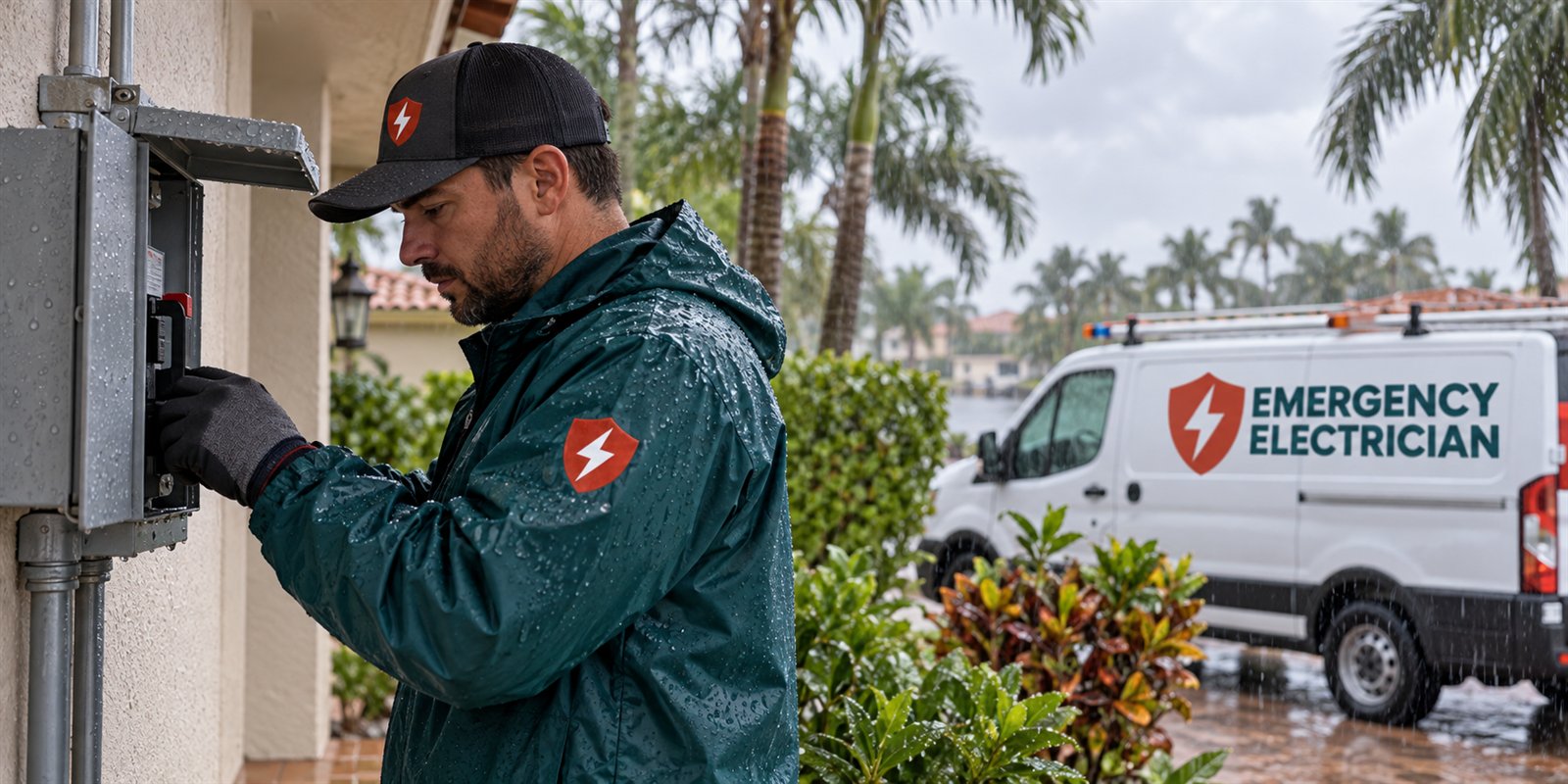
Two different problems with two different tools
A surge is a brief rise in voltage that can damage electronics and appliances. An outage is a loss of power. These are separate events with separate causes, and the equipment that addresses one does little for the other. A surge protection device limits how high the voltage can go, diverting excess energy away from the equipment you want to protect. A generator or battery system supplies power when the grid has failed. Confusing the two leads to disappointment: a household with a generator but no surge protection can still lose a television to a lightning-induced spike, and a household with surge protection still sits in the dark during an outage.
The first step in choosing is therefore to name your problem honestly. Did equipment fail while the power was on, with no outage, perhaps after a storm or lightning nearby? That points to surge and protection. Did the lights go out for hours or days, with food spoiling and cooling lost? That points to backup power. Many owners in South Florida experience both, and the best answer may be a combination. This guide explains how to think about each, and what a technician can and cannot tell you before an inspection.
What a surge device does and does not do
Surge protective devices come in several forms, from plug-in strips at individual outlets to units installed at the panel that protect the whole building, to units installed at the meter or service entrance. The panel-mounted type is installed by an electrician and is designed to reduce the energy of surges that arrive over the wiring. Point-of-use devices at outlets provide a second layer for sensitive equipment. Layering the two is a common approach, since a large surge is best reduced at the panel and the remainder handled near the device.
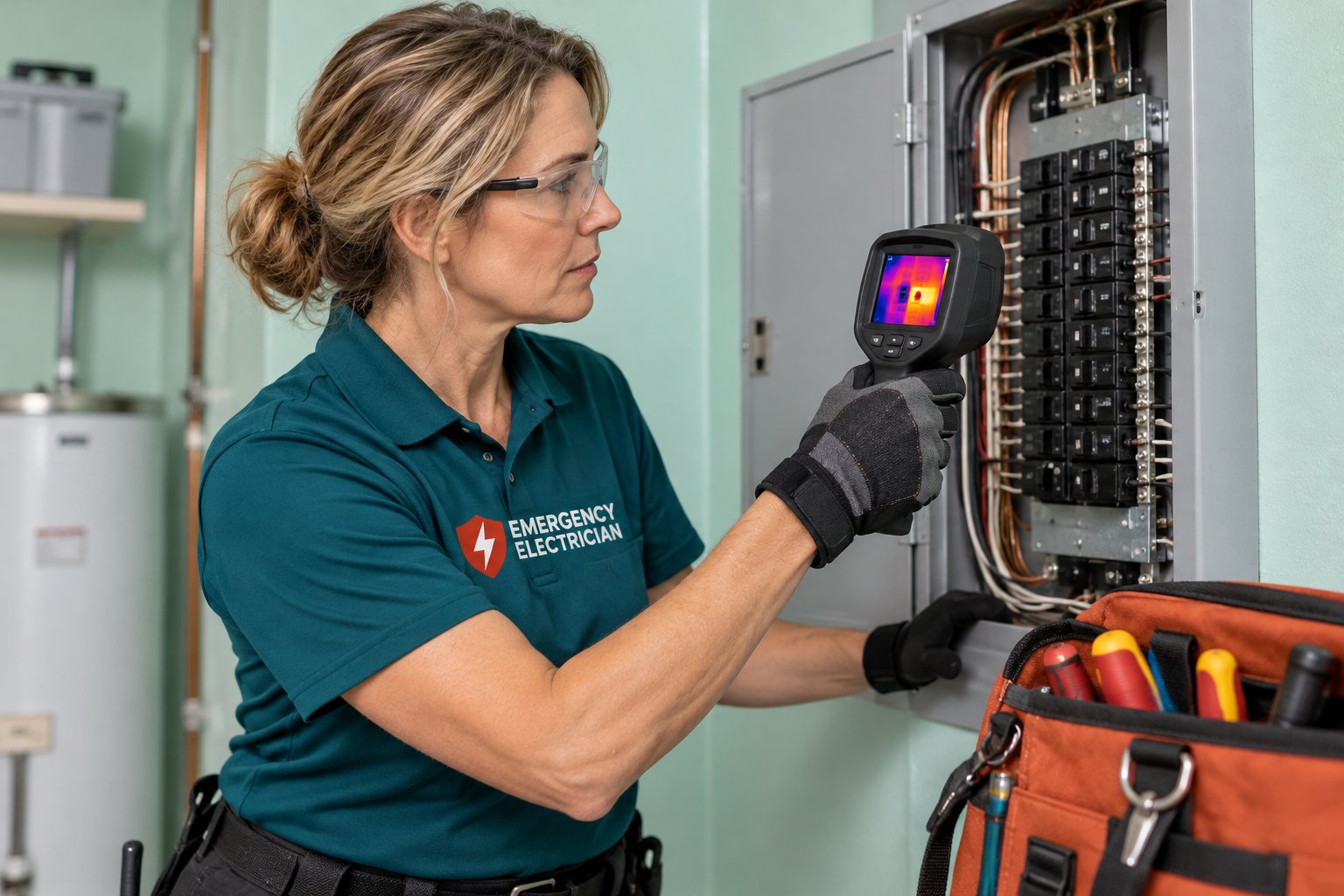
It is important to be realistic. A surge protective device reduces risk, it does not eliminate it. A direct lightning strike can overwhelm any device, and devices wear out after absorbing surges, so many include indicators that show when protection has been used up. They also do nothing in an outage, and they do not fix poor wiring or loose neutrals, which can themselves cause damaging voltage events. See surge versus spike versus outage terms for definitions that help in conversation with a technician.
- Reduces the energy of voltage spikes reaching equipment
- Works best in layers, at the panel and at sensitive devices
- Wears out and may need replacement after absorbing surges
- Does not keep power on during an outage
- Cannot be promised to stop damage from a direct lightning strike
What backup power does and does not do
Backup power comes in several forms. A portable generator is a movable engine-driven unit, used outdoors, usually connected to selected appliances through heavy-duty cords or to the house through a properly installed inlet and transfer arrangement. A standby generator is permanently installed, runs on a fuel supply such as natural gas or propane, and starts automatically when the grid fails. Battery systems, sometimes paired with solar panels, supply power without engine noise or fumes, with capacity limits that depend on the system.
None of these is a surge protector. A generator can produce its own voltage irregularities, and many owners add surge protection on the generator side. Backup systems also need maintenance, fuel, and testing, and they have limits on what they can run at once. Planning around those limits is part of the work. Decide what must stay on, such as refrigeration, a few lights, medical equipment, cooling, or a sump pump, and size the system around that list rather than around a wish to run everything. A technician can help when the list is clear.
Safety rules that apply to every generator
Generators create two serious hazards. The first is carbon monoxide: engines produce it, it is odorless, and it can kill. A generator must never run in a garage, a carport, a basement, or near windows, doors, or vents, even with the door open. Place it outdoors, well away from the building, and use a working carbon monoxide alarm indoors. If anyone feels dizzy, nauseated, or has a headache while a generator is running, get to fresh air and call 911. See carbon monoxide alarm and generator.
The second hazard is backfeed. If a generator is connected to the house wiring without a proper transfer switch or interlock, it can send power back onto the utility lines and endanger lineworkers, and it can damage the generator and the house. Never plug a generator into a wall outlet using a cord with two male ends. Use only properly installed equipment for house connections. For details, read generator backfeed risk and generator inlet and transfer switch basics.
Matching the tool to the problem: some common patterns
If your main trouble is damaged electronics after storms, with no long outages, surge protection is the first thing to examine. A technician can look at your service, grounding, and panel, and recommend a protective device and placement. If your main trouble is long outages after hurricanes, backup power is the main question, along with the decision of how much of the house to cover. If both occur, as they often do in South Florida, a combination makes sense, with surge protection at the panel and backup power sized to a defined list of loads.
A third pattern is repeated equipment failure without storms or outages. That is not a surge problem to be solved by a protector, but a symptom of a wiring issue such as a loose neutral, high or fluctuating voltage, or a failing connection. Adding a surge device in that case treats the wrong problem. The guides on loose neutral symptoms and lights extra bright and surge describe the signs that call for investigation instead of a device.
| Your situation | What to look at first |
|---|---|
| Electronics damaged after a nearby lightning strike | Surge protection at the panel and at devices |
| Days without power after hurricanes | Backup power sized to a defined list of loads |
| Both storm damage and long outages | A combination, planned together |
| Repeated failures with no storms | Inspection for wiring and neutral problems |
| Medical equipment that must stay on | Backup planning, discussed with the dispatcher and the provider |
What happens when a technician plans either one
Both projects begin with an inspection. For surge protection, the technician looks at the panel, the grounding and bonding, the service entrance, and the kinds of equipment you want to protect. For backup power, the technician looks at the loads, the panel, the location for the equipment, fuel supply, ventilation, and the required connection arrangement. In both cases, permits and inspections may apply depending on the work, and installation by a qualified electrician is the safe path.
Because the scope depends on what is found, quotes are given by phone for what can be described and by an on-site visit for anything complicated. Standby generators and whole-house arrangements are generally in the second group. A service call charge applies to dispatching a technician and is explained on the phone beforehand. For a closer look at the storm side of the question, see generator safety after a hurricane and lightning protection after damage.
After damage has already happened
If a surge has already damaged equipment, the first step is safety, not shopping. Unplug sensitive items, do not repeatedly try to power up anything that smells of burning, and have the building's wiring checked, since a surge that damaged devices may have affected the wiring or the panel. Document the damage with photographs, and keep receipts and records for insurance. See appliance and electronics damage after an event for guidance on this.
If an outage has already exposed the lack of backup power, avoid rushed decisions. Equipment bought in a panic and connected improvised ways is a common cause of injuries and fires after storms. Plan calmly, once the immediate period has passed, and involve a qualified electrician for any connection to the house wiring. The best time to make these decisions is before the next storm, when information is easier to gather and installation is easier to schedule.
Planning a backup power list that fits real life
The most useful exercise before any backup purchase is a list. Write down what must stay on during a long outage and in what order of importance. Refrigeration is usually near the top, along with a few lights, phone charging, and any medical equipment. In the South Florida summer, cooling is a serious health matter, especially for older adults and young children, and it is also the heaviest load on the list. A system that cannot run air conditioning may still be worth having, as long as the household understands that limit and plans around it with fans, ventilation, and a safe place to cool off.
Next, note where those loads connect. Some, like a refrigerator, plug in at an outlet. Others, like a well pump or an air handler, are hard-wired and cannot be fed by a simple cord. That difference decides whether a few heavy-duty cords are enough or whether a transfer arrangement is needed. Bring the list to the call. It lets the dispatcher and technician talk about your real needs rather than a generic product, and it protects you from buying equipment that cannot do the job you care about most.
Common mistakes after a storm
After hurricanes, the same mistakes recur. People run generators in garages because of rain or theft worries, and carbon monoxide poisonings follow. People connect generators through dryer or oven outlets with homemade cables, and the house wiring or the grid is endangered. People refuel hot generators and start fires. People buy a unit too small for what they hoped to run, then overload it and trip it repeatedly. Others install surge protection only at the outlet strip and assume the whole house is covered.
Each of these has a plain remedy: outdoor placement, proper connection equipment, cooling before refueling, an honest load list, and protection planned in layers. None of it requires particular knowledge beyond what is in this guide, but all of it requires patience at a moment when patience is short. If you are unsure at any step, stop and call, and describe what you have and what you want it to do.
Questions worth asking before you commit
Whichever direction you take, ask a few direct questions. What problem will this equipment solve, and what will it not solve? What load or equipment does it cover? What maintenance does it need? What does installation involve, including permits and inspection? What happens during an outage or after a surge? A technician who answers plainly, without overselling, is serving you well. Beware of anyone promising that a device will prevent all damage or that a system will run an entire house without limits.
Remember that this site discusses no prices in writing. When you call, the dispatcher will explain the service call charge, describe how quotes work by phone, and arrange an on-site visit where one is needed. If anything is smoking, sparking, or a wire is down, call 911 first. Otherwise, call when you are ready, and describe whether your problem is damaged equipment, long outages, or both. The technician will help you work out which tool fits.
Questions people ask
Do I need a surge protector or a generator?
They solve different problems. A surge protective device reduces damaging voltage spikes, while a generator or battery system supplies power during an outage. If equipment gets damaged while the power is on, look at surge protection. If you lose power for long periods, look at backup power. Many homes need both.
Will a whole-house surge device stop all lightning damage?
No. It reduces risk but cannot be promised to stop damage from a direct strike, and devices wear out after absorbing surges. Many owners pair a panel-mounted device with point-of-use protection at sensitive equipment. A technician can assess your service and recommend placement.
Can I plug a portable generator into a wall outlet?
No. Using a cord with two male ends can backfeed the grid and injure utility workers, and it can damage your home and the generator. Use heavy-duty cords to individual appliances, or have a transfer switch or interlock installed by a qualified electrician.
Where can I run a generator?
Outdoors only, well away from doors, windows, and vents. Never run one in a garage, carport, or enclosed space, even with the door open, since carbon monoxide can build up quickly and cannot be smelled. Have working carbon monoxide alarms indoors.
Why does equipment keep failing when there are no storms?
Repeated failures without storms can point to wiring problems such as a loose neutral or unstable voltage, not to surges from outside. A surge device would treat the wrong problem. A technician can test voltage and connections to find the cause.
How are quotes handled for these projects?
Quotes are given by phone for work that can be described by phone, and complicated jobs need an on-site visit first. A service call charge applies to dispatch and is explained on the phone before anyone is sent. Nothing about pricing is posted on this site.
About "Surge Device or Generator: Which Fits Your Problem?": call and give us the details, and we will explain what is safe to do while you wait and what the visit would cover. Jobs that cannot be quoted blind need a look on site.
Related pages
- Power Problem Vocabulary: Surge, spike, sag, brownout, blackout and outage are not the same thing. Learn the terms so you can describe your power problem accurately on a call.
- Generator Safety: Portable generator safety after a hurricane: placement, carbon monoxide, refueling, cords and backfeed, with when to call 911 and when to call an electrician.
- Surge After Strike: After lightning damage, learn how layered surge protection works in plain language: service entrance, point of use, grounding, and what to ask an electrician.
- Surge Device Failed: A whole-house surge device with a red light, alarm or burn marks has done its job or failed. Learn what the indicator means and what to do after a big surge.
- Call Order: Electrical trouble, three possible calls. A plain decision order for when to dial 911, when to phone the power company, and when to call an electrician.
- Emergency Check: A branching guide from symptoms to urgency, showing when to call 911, when to call the utility, when to call an electrician now, and when a visit can wait.
Deciding in the right order: protect, then power
If you are weighing both options, consider doing them in a sensible order. A surge device addresses damage from sudden spikes, while a generator addresses the absence of power. Start by listing what hurt you in the past. Did equipment fail after a storm or during a utility switching event? That points toward protection. Did you lose power for long stretches and struggle without it? That points toward backup power. If the situation changes while you wait, such as a new smell, sound or warm surface, treat that as new information and call again.
Many households eventually want both, and they should be planned together. A generator connection involves how power is transferred into the house, and the transfer arrangement matters for safety. Protection devices may be placed at the panel or at specific equipment. Talk through the combined picture with a professional so the pieces fit and do not work against each other. Photos taken from a safe distance can help, but never lean in, open a cover or touch wiring just to get a better picture. Keep a flashlight or battery lantern nearby rather than a candle, since open flame near a damaged electrical area adds a second hazard.
Tell the technician what matters most to you, such as keeping the refrigerator cold, running a medical device, protecting a home office or keeping air conditioning going. The order of priorities shapes the plan. The scope and any quote are explained before work begins, and you can phase the project if needed. A staged plan that is thought through beats a large purchase made in a rush as a storm approaches. Small details often turn out to matter most, so include them even when they seem unrelated or awkward to mention.
What changes in a condo, rental or tight lot
Not every property can accept a generator or a major new device. Condominiums and rentals often have rules about fuel, noise, exhaust and modifications, and some forbid generators on balconies or near windows altogether. Tight lots in dense neighborhoods leave little room for the clearance a generator needs from windows and doors. Check your documents and ask your manager or association before buying anything. Take your time describing it, and say so if you are unsure, because an honest I do not know is more useful than a confident guess.
Surge protection may be easier to arrange in these settings, since some devices plug in at the outlet and others are installed at the panel with the right permissions. Even so, a rental may require the owner's agreement for anything fixed to the electrical system. Ask first and keep the answer in writing. Portable options may fit better if you move often. If anyone in the home depends on powered medical equipment, mention that early so it can be considered when the plan is made. Florida humidity, salt air and summer storms add stress to electrical parts, so conditions that seem minor elsewhere can matter more here.
If a generator is not practical, there are quieter alternatives to consider, such as battery-powered lighting, power banks for phones and planning to relocate essential items during a long outage. Think about where you could go if the building loses power for days. Call us to talk through what suits your property and what permissions may be needed before any decision is made. Keep children and pets away from the area while you wait, and avoid touching anything that feels warm, damp or looks discolored. Write down what you noticed, in the order you noticed it, because memory fades quickly once the situation becomes stressful.