
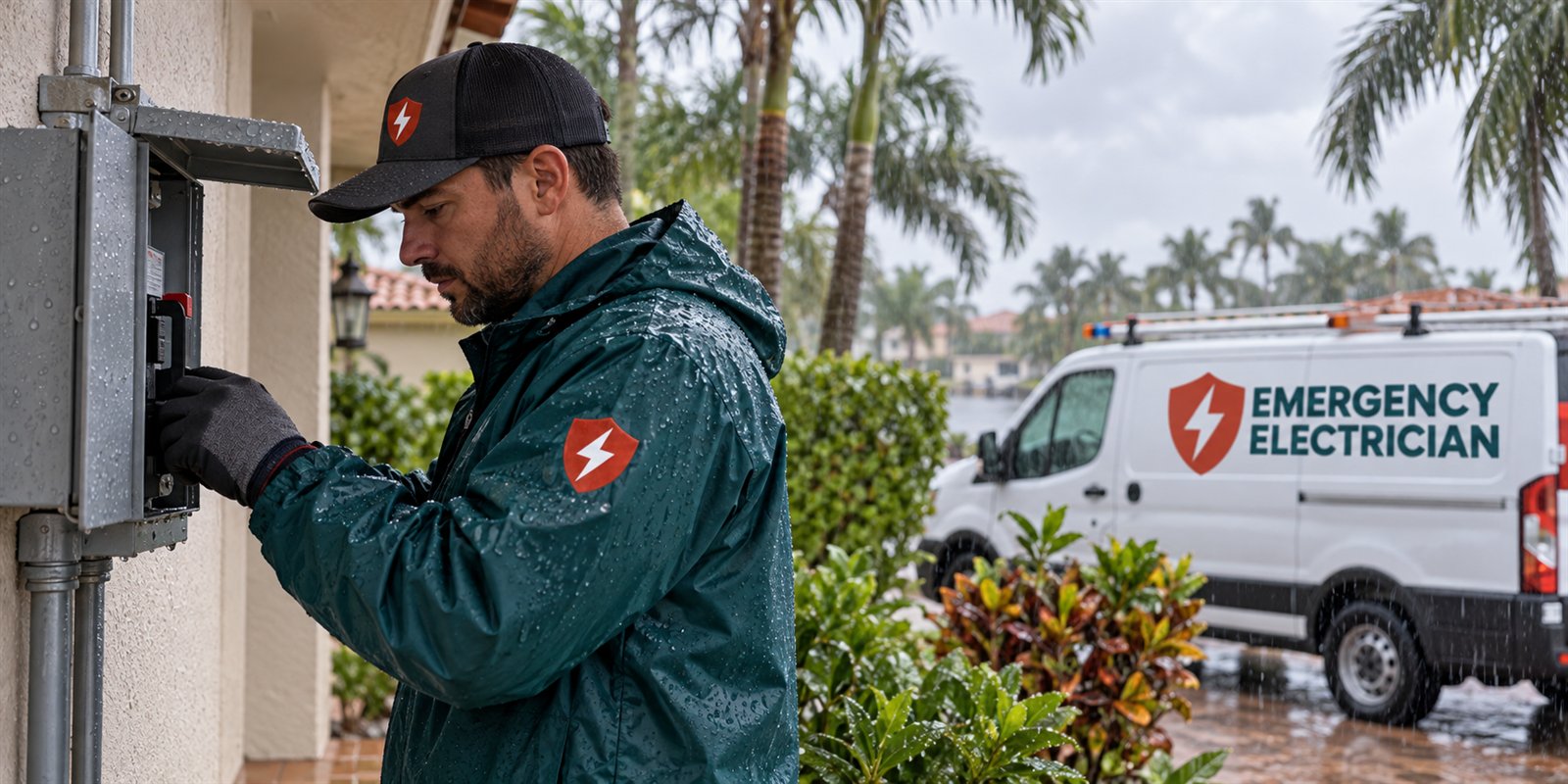
What a transfer switch does
A transfer switch is the device that connects your home's wiring to either the utility or the generator, never both at the same time. When the utility fails, the switch moves the selected circuits to the generator. When the utility returns, it moves them back. This separation is what keeps your generator from feeding power back onto the utility lines and from colliding with returning utility power.
There are two main types. A manual transfer switch relies on a person to move a lever or switch after the generator is running. An automatic transfer switch senses the loss of utility voltage, signals a standby generator to start and moves the load once the generator is up to speed. Some systems combine a portable generator with a manual switch and an inlet box, and some use a mechanical interlock on the main panel instead of a separate switch.
Each design has its own failure points, which is why the first question a technician asks is what kind of system you have. The answer shapes the checks, and it shapes which of them are safe for you to try.
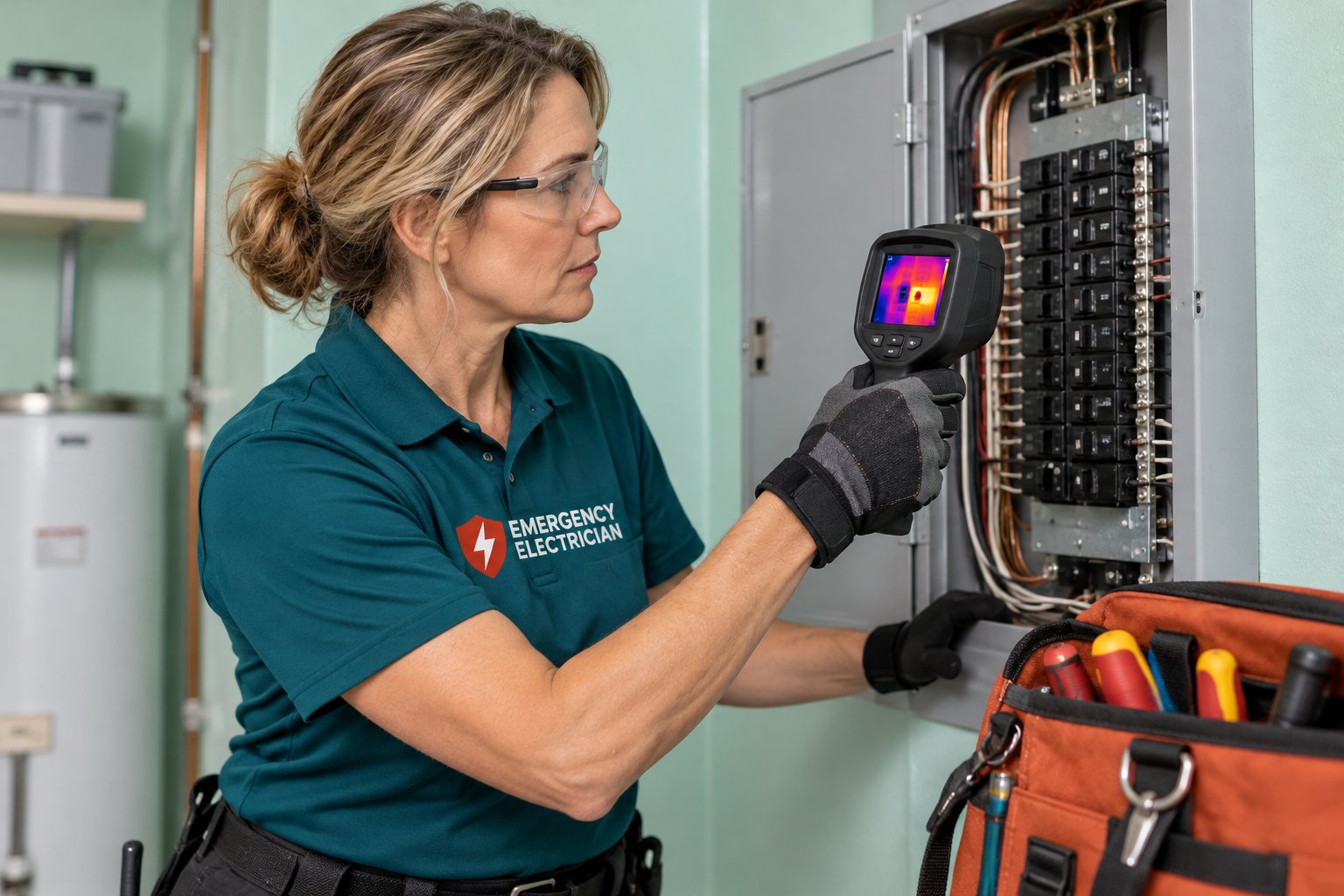
Symptoms: what failure looks like at the moment of an outage
These symptoms are different from a generator that will not start. If the engine will not run, our page on a standby generator that did not start during an outage is the better starting point. This page assumes the generator has power but the house does not.
- The generator is running normally but none of the transfer-connected lights or outlets have power
- The manual switch handle moves but the house stays dark
- The automatic switch does not click, hum or change position when the utility fails
- The generator starts, then stops when the load is transferred
- Only some of the selected circuits come on, and others stay dead
- The transfer switch panel shows a fault light or no indicator at all
- Breakers in the transfer panel trip as soon as the generator load connects
- The house keeps drawing from the generator after the utility returns, or does not return to utility
Checks that are safe for a homeowner
Some basic checks involve only looking and operating controls that were designed for the owner. Confirm that the generator is actually producing power: its own outlets should supply an appliance or a work light, and any generator breaker or output switch should be on. Confirm that the generator's main output breaker has not tripped.
On a portable generator with an inlet, check that the cord is fully seated at both ends and that the cord is the correct type for the inlet. A partly seated cord can look connected yet make poor contact. Look at the inlet for water, debris or discoloration, and do not use it if you see damage or smell burning.
On a manual transfer switch, follow the sequence written on the switch or in the manual: usually that means turning off the large loads first, starting the generator, letting it run for a moment, then moving the switch to the generator position. Check that the handle goes all the way. If the switch has an indicator, read it. Do not open the transfer switch cover, do not touch wiring and do not operate the switch with wet hands or while standing in water.
The checks that are not for homeowners
Opening a transfer switch or a main panel exposes live parts. The utility side of the switch stays energized whenever the utility is on, and during an outage the generator side can be live. Even when the utility is out, the generator or a returning utility feed can energize conductors without warning.
Do not remove covers, jump terminals, bypass interlocks or push contacts by hand to force a transfer. Do not bridge a transfer switch or run a cord from the generator into the house as a workaround. Our page on backfeeding the house with a generator explains why that shortcut is hazardous to lineworkers and to you.
Likewise, do not open a standby generator's controller or an automatic switch's electronics to reset anything beyond what the manual describes. Control boards, relays and sensing wires carry control voltage and line voltage together, and mistakes can destroy equipment or cause injury. If a reset procedure is in the owner's manual and is plainly for owners, follow it exactly. Otherwise, call.
Common causes of a transfer that does not happen
In a manual setup with an inlet, common causes include a tripped generator breaker, a loose or damaged cord, a damaged inlet, the wrong breaker position in the transfer panel or the interlock, and a generator that is running but not producing proper voltage. Sometimes the generator is set to a mode that does not deliver full output, such as an eco mode or a configuration for a different outlet.
In an automatic setup, causes include failed sensing of the utility, a transfer switch that is stuck or has a failed mechanism, a blown control fuse, a failed relay or contactor, a low or dead generator battery, incorrect settings for voltage or timing, and wiring faults between the generator and the switch. Corrosion in a humid South Florida garage or an exterior cabinet can cause the contacts or control connections to fail after months of disuse.
In an interlock setup, a poorly aligned interlock plate, a breaker that cannot be moved into position, or a generator breaker that is incompatible can keep the sequence from working. In each design, a device that has not been exercised during the year is more likely to fail when it is needed.
Why maintenance and testing matter
Transfer equipment sits idle for long stretches, and humid, salty air is hard on idle equipment. Contacts oxidize, springs weaken, batteries drain, fuel ages and rodents or insects occasionally move in. A transfer switch that has not moved in a year may stick the first time it is called on.
A periodic test under controlled conditions, ideally when there is no storm, helps catch problems early. For a manual system, that can mean running the generator, performing the transfer and confirming that the intended circuits come on. For an automatic system, it often means a scheduled exercise cycle plus a simulated outage test performed by a qualified technician.
Our page on generator inlet and transfer switch basics explains what a routine setup includes. Our page on hurricane season electrical readiness lists checks worth doing before the season starts, when electricians are less busy and parts are easier to get.
What an electrician checks versus what a generator technician checks
Backup power is a shared boundary between two trades. An electrician is responsible for the wiring, the transfer switch, the inlet, the interlock, the breakers, the grounding and the connection to the panel. A generator service technician is responsible for the engine, fuel system, battery, controller and alternator.
When the generator is running and producing voltage but the house has no power, the problem usually lies on the electrical side, which makes it a job for an electrician. When the engine will not start or the output is weak, the generator technician is usually the right call. Many problems cross the line, such as a controller that does not send the transfer signal, and the two trades may need to coordinate.
If you are not sure which side is at fault, describe the symptoms to the dispatcher. They can arrange an electrician to test the transfer path and, if the evidence points to the generator, tell you so and suggest the right kind of service. This honest sorting saves time during an outage.
What a technician tests on arrival
The technician begins by confirming what is energized. With appropriate meters, they measure voltage at the generator output, at the inlet or the transfer switch generator terminals, at the transfer switch load side and at the panel. Finding where the voltage disappears locates the fault.
They inspect the transfer mechanism for sticking, burned contacts or broken springs, check control fuses and sensing connections, and look for loose or corroded terminals. They check the grounding and the neutral arrangement, because incorrect bonding can both stop a transfer and create a hazard. In an interlock arrangement, they check alignment and the breaker positions.
If the cause is a worn component, such as a contactor or a failed transfer switch, replacement is typically the answer, and parts may need to be ordered. The technician explains what failed, whether there are temporary options, and what the permit and inspection steps look like if the equipment is replaced. A written note of findings is useful for the record.
Keeping essentials running while the problem is solved
If the house must stay powered and the transfer cannot be repaired immediately, the safest fallback is to run heavy-duty outdoor-rated cords from the generator directly to critical appliances such as a refrigerator, a few lights and a fan. Keep the generator outside, well away from windows, doors and vents, and on a dry, level surface. Keep a carbon monoxide alarm working in the home.
Avoid overloading the generator. Check its rated output and add up the appliances you plan to run, starting with the largest. Our page on a portable generator that trips under load discusses how to manage that. Do not refuel a hot or running generator.
If someone depends on medical equipment, tell the dispatcher at the start so that urgency and alternatives can be discussed. Our page on extended outage food and medical power offers more ideas for planning. Dispatchers cannot promise arrival times during a widespread outage, but they can explain the process and the order of calls.
Realistic situations
A homeowner in Pembroke Pines has an inlet box and a manual transfer switch installed several years ago. During an outage the generator starts, the cord is plugged in and the switch is thrown, yet nothing comes on. The technician finds the generator's own breaker had tripped on startup and the cord had a bent pin. A new cord and a reset restore operation, and the technician suggests testing every spring.
In a Hollywood house with an automatic transfer switch, the generator runs but the house stays dark. A control fuse on the switch has blown, and the electrical contacts show corrosion from the humid garage. The technician replaces the fuse, cleans the contacts and recommends a service check on the generator, since a corroded switch has been waiting a long time without exercise.
In a Davie house with an interlock and inlet, the owner cannot get the interlock plate to slide. A paint overspray had hardened around the track during a previous renovation. The technician cleans and adjusts the plate and tests the sequence. In each example, the system looked intact, and the failure was a small component that had never been tested.
When utility power returns and the switch does not follow
A transfer failure does not only happen at the start of an outage. Sometimes the house moves to the generator without trouble, and then fails to return to the utility when power comes back. The generator keeps running, the house stays on generator power and the owner has no idea that the grid is live again. At best that wastes fuel. At worst it leaves the system in a state that no one expects.
On a manual setup, the owner has to move the switch back and shut the generator down in the correct order, with the large loads turned off first. If a switch handle will not return, if it feels gritty or if an interlock plate will not slide back, stop and call. Forcing a mechanism that is stuck can break parts and leave the house connected to a source that should be isolated.
On an automatic setup, a failure to retransfer often points to a sensing fault or a stuck contactor. A technician checks whether the switch correctly sees utility voltage and whether its timers are set properly. They may also check whether a loose neutral or a utility-side problem is confusing the sensing. If the lights in the house flicker or behave oddly after the utility returns, switch off sensitive equipment and call.
Permits, documents and what to ask afterward
Replacing or altering a transfer switch, an inlet or a panel interlock typically falls under permit rules in South Florida jurisdictions, and a final inspection may be required. A technician can tell you what applies where you live. Keep the permit, the inspection result and any manual or settings sheet that comes with the equipment.
After a repair, ask the technician to demonstrate the correct operating sequence for your setup and to write it down. Ask which circuits are connected to the transfer switch and which are not, and ask for the panel label to be updated. Ask whether a load test was performed and what the generator's rating means for your plan.
Our page on getting a written findings report explains how to document the visit. A short list of what failed, what was replaced and what to test each season turns an emergency into a plan.
Getting help
When you call, describe the type of system: portable generator with an inlet, interlock on the panel, manual transfer switch or automatic standby. Say whether the generator is producing power, what you have tried, what lights or indicators you see and whether utility power is on or off.
Quotes are given only by phone. A service call charge applies and is explained before anyone is dispatched. Because backup power systems vary widely, a complicated job may need an on-site visit before a quote can be given. Have the generator's make and rating and the transfer switch's label details ready if you can read them safely.
If you smell fuel, see smoke or sparks or suspect carbon monoxide, move outdoors and call 911 first. Otherwise, call the number on this page and the dispatcher will explain what happens next.
Questions people ask
My generator is running but the house has no power. What do I check first?
Confirm the generator itself is producing power by checking its own outlet, and make sure its output breaker has not tripped. On an inlet setup, confirm the cord is fully seated at both ends and undamaged. On a manual switch, follow the sequence printed on it. Do not open covers or bypass anything. If the house stays dark, call.
Can I bypass the transfer switch and plug the generator into the house?
No. A bypass removes the isolation that protects lineworkers, your generator and your home. Improvised connections can energize utility lines, create live exposed prongs and cause a collision when power returns. Run cords from the generator directly to appliances, or call for a qualified electrician to repair the transfer system properly.
Is this an electrician job or a generator service job?
If the generator runs and produces voltage but the house stays dark, the problem is usually in the wiring, inlet, switch or panel, which is electrician work. If the engine will not start or the output is weak, a generator service technician is usually the right call. Describe the symptoms and the dispatcher can help sort it out.
Why would a transfer switch fail after sitting idle?
Idle equipment in humid or salty air can develop corrosion on contacts, weakened springs, drained batteries and blown control fuses. Insects and rodents sometimes move into enclosures. A switch that has not operated for a long time may stick the first time it is needed. Periodic testing by a technician helps catch these issues before an outage.
Can I keep running the generator while waiting for a technician?
Yes, if it is placed safely outdoors, away from windows and vents, on a dry surface, and used only to power appliances through proper outdoor-rated cords within its rated output. Keep a working carbon monoxide alarm indoors. Do not connect it to the house through an outlet or improvised cord, and do not refuel while it is hot or running.
How do I get a price for repairing a transfer switch?
Quotes are given only by phone. A service call charge applies and is explained before dispatch. Backup power systems differ widely, and a complicated repair or replacement needs an on-site visit before a quote can be given. Have the type of system, the make of the generator and any labels you can read safely ready when you call.
About "Transfer Switch Does Not Move Power": call and give us the details, and we will explain what is safe to do while you wait and what the visit would cover. Jobs that cannot be quoted blind need a look on site.
Related pages
- Backfeed Danger: Plugging a generator into a wall outlet can send power back onto the utility lines. Learn why backfeeding is dangerous and what proper isolation involves.
- Standby No-Start: The power went out and your standby generator stayed silent. See what an electrician checks, what a generator technician checks and what you can do safely.
- Inlet and Transfer: Plain-language guide to generator inlets, interlocks and transfer switches, and why they are safer than backfeed cords. For homeowners planning ahead.
- Generator Safety: Portable generator safety after a hurricane: placement, carbon monoxide, refueling, cords and backfeed, with when to call 911 and when to call an electrician.
- Surge or Generator: Surge protection and backup power solve different problems. Learn which one fits yours, how each is installed safely, and what to ask before dispatch.
- Panel Buzzing: Some panel hum is normal, but loud buzzing can signal arcing or a loose connection. Learn to sort the sounds and what to tell the dispatcher about them.