
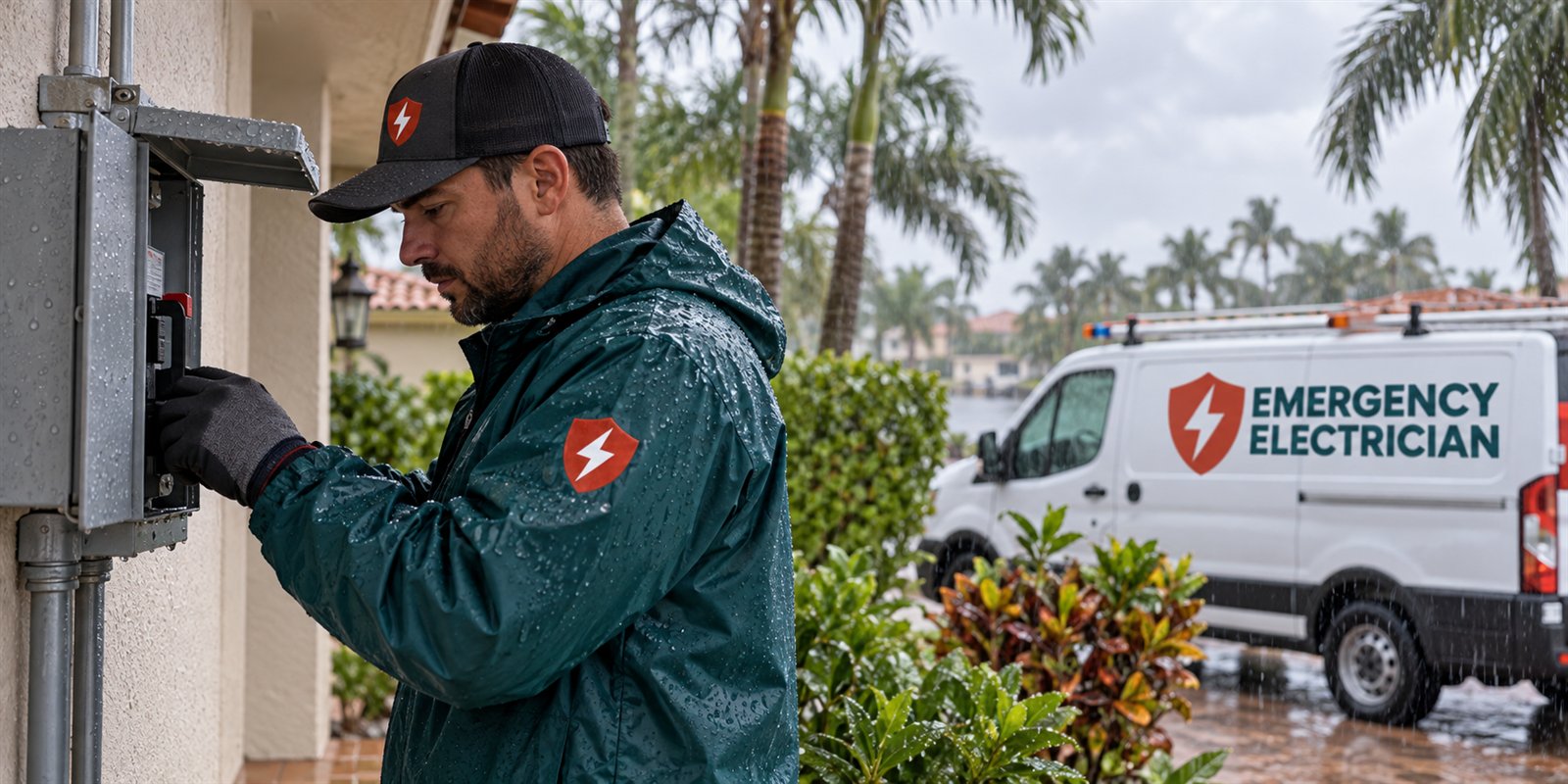
How a standby generator is supposed to work
A standby generator is a permanently installed engine and alternator, usually fueled by natural gas or propane, connected to your home's wiring through an automatic transfer switch. A controller monitors the utility voltage. When the voltage drops or disappears for a set time, the controller starts the engine, waits for it to reach proper speed and voltage and then signals the transfer switch to move the house to generator power.
When the utility returns and stays stable for another set time, the switch moves the house back and the generator runs a short cooldown period before it shuts down. In between, most units run a weekly or periodic exercise cycle that starts the engine briefly without transferring the load, which helps keep the engine ready.
A failure to start can occur at any link in that chain: the sensing of the outage, the controller, the battery and starter, the fuel supply, the engine or the safety shutdowns that prevent operation in unsafe conditions. Knowing the chain helps you describe what you saw, and helps the right technician arrive.
What you may have seen
If the engine runs and the house stays dark, our page on a transfer switch that does not move power is the better match. If you smell gas, move away from the unit, stay out of enclosed areas and call 911 or the gas provider's emergency number first.
- The generator did nothing at all when the power went out, with no sound and no lights on the controller
- The engine cranked but did not catch, or ran briefly and shut down
- The controller shows a fault message or a flashing light
- The generator started, but the house stayed dark, which points more toward the transfer switch than the engine
- The generator started late, or only after you turned a switch to manual
- The generator runs but shuts down after a short time under load
- A smell of fuel, exhaust or burning near the unit
- The unit was off or in a mode that does not allow automatic starting
Safe observations an owner can make
Look at the controller display or indicator lights, if the unit has them, and note any message or light pattern. Photograph them if it is safe to do so. Many controllers store a fault message or alarm history that a technician can read, but the quickest clue is what you can see when you first notice the problem.
Check whether the controller is in automatic mode. Some units have an off, manual and automatic setting, and a switch left in the off position after maintenance, or moved by accident, prevents automatic start. If the owner's manual describes how to set the mode, follow it exactly.
Look at the unit from a distance for obvious issues: a door or enclosure left open, debris against the vents, standing water near the base, insects or animal activity, and any visible fuel odor. Check that the gas valve or propane tank valve is open if the manual says owners may do so, and that the tank is not empty. Do not open the engine compartment, touch wiring, remove covers or add fuel to a natural gas or propane unit.
Why a standby generator may fail to start
Battery problems are among the most common causes. The starter battery slowly loses charge, particularly in heat, and its terminals corrode in humid air. A charger that has failed or been unplugged can leave a battery too weak to crank the engine when needed.
Fuel supply is another. A closed gas valve, an empty or low propane tank, a regulator problem or a utility gas interruption can prevent starting. In a widespread event, natural gas pressure may drop. Controls and sensors can also stop a start: low oil pressure, high temperature, overcrank protection or a fault in a speed sensor can lock the unit out.
Settings and wiring play a part too. A controller that was set to the wrong mode, a blown control fuse, a corroded connector or a rodent that chewed a wire can interrupt the start sequence. Mechanical wear, stale or contaminated fuel on liquid-fueled units, and lack of regular service round out the list. The pattern of what you saw helps a technician narrow the cause before arriving.
What a generator service technician checks
A generator service technician focuses on the machine. They check the battery and its charger, the starter, the fuel supply and pressure, the air filter, the spark plugs or ignition system, the oil level and pressure, the cooling and the controller settings and fault history.
They also run the generator through its start sequence, listening for cranking behavior and looking for alarms. If the engine starts, they check voltage and frequency output, test under a load and look for abnormal vibration, leaks or exhaust issues. Many units also have maintenance schedules based on hours or time, and an overdue service can itself explain a failure.
If the technician finds that the engine, fuel and controls are healthy and the generator makes proper voltage, they point toward the electrical path between the generator and the house, which is the electrician's domain. This is why the question of which trade to call first is not always obvious.
What an electrician checks
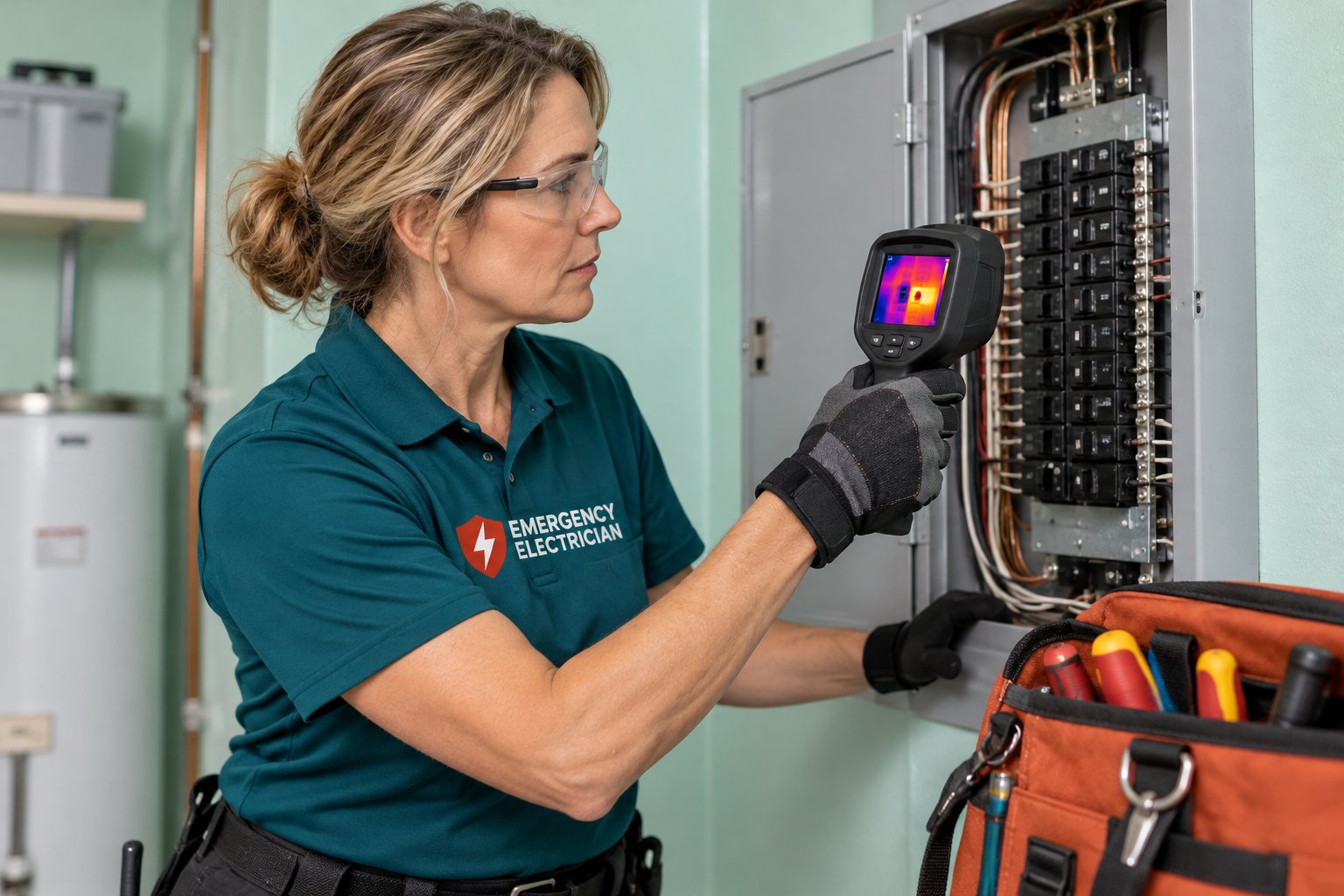
An electrician focuses on the wiring and the transfer path. They check whether the transfer switch is receiving the signal to move, whether its sensing connections are intact and whether voltage appears at its generator input terminals. They inspect the control wiring between the generator and the switch, because a start signal that never leaves the switch or never arrives at the generator looks like a no-start.
They also check the utility sensing, which determines when the system believes an outage has occurred. A loose or incorrect sensing connection can leave the system unaware that the utility has failed. They inspect for corrosion, burned contacts and moisture in the switch and its enclosure, and they check the circuit breakers and the grounding and bonding arrangement.
Electricians also check the connection from the generator to the panel, including the conductors and the breaker that feeds the switch. If a breaker on the generator or in the switch has tripped, the generator might start but fail to supply the house. Our page on generator inlet and transfer switch basics shows how the parts relate.
Deciding who to call first
If the engine did not crank or start at all, or if the controller shows an engine-related alarm, start with the generator service company that maintains the unit. If the engine started and ran but the house stayed dark, start with an electrician. If you smell gas or see a fuel leak, call 911 or the gas company first.
If you are unsure, describe what you saw to the dispatcher. They can arrange an electrician to test the electrical path and the sensing, and if the symptoms suggest an engine or fuel issue, they will say so rather than guessing. Many standby units are covered by a service plan or a vendor relationship, and checking whether yours is can save time.
The two trades often work together. A controller that is faulty may need a generator technician to replace it, while the wiring to the transfer switch may need an electrician to repair. Keeping a record of each visit and what was found helps the next technician avoid repeating steps.
Keeping essentials running in the meantime
While the standby system is not working, think about what you must keep powered: refrigerated medication, medical devices, food storage, communications and cooling in extreme heat. If someone relies on powered medical equipment, tell the dispatcher at the start and contact the equipment supplier and the utility's medical priority program if you are enrolled.
A portable generator, used outdoors with heavy-duty cords and a working carbon monoxide alarm inside, can supply a few appliances. Never run it in a garage, carport or near windows, and never connect it to the house through an outlet. Our page on backfeeding the house with a generator explains the danger. Our page on a carbon monoxide alarm with a generator running explains what to do if the alarm sounds.
Keep refrigerator doors closed to hold the temperature, and use battery lighting rather than candles. Dispatchers cannot promise arrival windows during a widespread outage because demand and road conditions are outside their control, but they can explain the order of service and what to prepare.
Fuel, weather and the South Florida setting
Most standby generators in the area run on natural gas or propane, and each has its own weak points. Natural gas units depend on the utility's gas supply, and in a major storm, pressure can drop or service can be shut off in flooded neighborhoods. Propane units depend on the tank level, and in the days before a hurricane, deliveries can be delayed by demand. Checking the propane level in advance is a habit that pays off.
Flooding is a particular concern. A generator that sits on a pad at grade can be inundated by storm surge or heavy rain, and a unit that has been underwater should not be started until a qualified technician has inspected it. Local rules and manufacturer instructions govern where a generator may sit and how high it should be elevated, and a flooded unit needs more than a restart. Our page on first steps for a flooded home explains how water changes electrical decisions.
Heat and humidity matter too. Batteries age faster in warm enclosures, and condensation can corrode connectors and relays. Salt air near the coast speeds corrosion on terminals and contacts. Rodents, lizards and insects are persistent. A routine inspection that looks for nests, chewed wires and corrosion is part of keeping the unit reliable, and the best moment for it is well before storm season.
Condominiums, townhouses and shared generators
Many South Florida residents live in buildings where backup power is shared. A condominium may have a common generator that runs elevators, hallway lights, fire pumps and water pumps, but not individual units. A townhouse community may have rules about where generators can sit and how they must be fueled.
If a shared generator did not start, the association or its service vendor is the party to contact, and unit owners should report the problem in writing. If your own unit has a standby or portable generator, check the association's rules before installing or running it, because fuel storage and placement rules are often strict.
An electrician can help with the parts inside your unit, such as the panel and the circuits you want to power, but cannot work on the building's common equipment without the association's authorization. Our page on condo association electrical emergencies explains how those lines are usually drawn.
Questions to ask the technician afterward
Keep the answers with the generator's manual. A short log of exercise cycles, alarms and service dates is useful the next time something goes wrong, and it helps any technician who comes later understand the history.
- What caused the failure to start, and how did you confirm it?
- Was the cause in the engine, the controller, the fuel supply or the electrical path?
- Is anything else showing wear that could cause the same problem next time?
- What does the transfer switch test show when the system is put through a simulated outage?
- What maintenance schedule do you recommend for this unit, and what should I check between visits?
- Does the unit's capacity still match what I want to run, or have my loads changed?
- Will a permit or inspection be needed for any of the work?
Realistic situations
A homeowner in Parkland loses power after a storm and the standby unit, installed some years ago, does not start. The controller is dark. A generator technician finds a dead starter battery and a charger that was unplugged during a renovation. A new battery and a reconnected charger bring the unit back, and the owner schedules an annual service.
In a Boca Raton house, the generator starts and runs normally, but the house stays dark. An electrician finds that a control fuse in the transfer switch has failed and that the sensing wire has a corroded terminal. Replacing both restores the automatic transfer, and the electrician demonstrates a simulated outage test.
A Deerfield Beach owner finds the unit has an alarm for low fuel pressure. The propane tank is nearly empty and the supplier had missed a delivery. The system was not faulty at all, but the supply was. In each case, a small step that had been overlooked made the difference between a protected house and a dark one.
Maintenance habits that reduce the odds
Standby generators do best when they are exercised, inspected and maintained on a regular schedule, following the manufacturer's recommendations. Let the weekly or periodic exercise cycle run and note any alarms that appear. Keep vegetation, debris and storage clear of the enclosure and its vents, and keep the area around the unit dry and accessible.
Have a qualified technician service the unit on the schedule in the manual, including oil, filters, spark plugs, battery and a load test. Ask the technician to test the transfer switch operation as part of the visit, including a simulated outage. Before hurricane season, confirm that fuel supply arrangements are in place.
Our page on hurricane season electrical readiness includes related checks. If your system did not start in the last outage, do not assume it was a one-time event. Call the number on this page, describe what you saw, and the dispatcher will explain what the next step looks like and how quotes are handled.
Questions people ask
Who should I call first if my standby generator did not start?
If the engine did not crank or the controller shows an engine alarm, start with the generator service company. If the engine ran but the house stayed dark, start with an electrician. If you smell gas or see a fuel leak, move away and call 911 or the gas provider first. If you are unsure, describe the symptoms to the dispatcher.
What can I safely check myself?
You can look at the controller display, confirm it is set to automatic if the manual says owners may check that, make sure the enclosure is closed and clear of debris, and note any alarm or light pattern. Do not open the engine compartment, touch wiring or add fuel. Write down what you see and take photographs from a safe distance.
Could the transfer switch be the problem even if the generator started?
Yes. If the engine runs and produces power but the house stays dark, the fault is likely in the transfer switch, its control wiring, or the connection to the panel. That is an electrician's area. Our page on transfer switches that do not move power covers the symptoms and the tests a technician performs.
Is it safe to use a portable generator while I wait?
It can be, if used outdoors, away from windows, doors and vents, on a dry surface, with heavy-duty outdoor-rated cords to individual appliances within the generator's rated output, and with a working carbon monoxide alarm indoors. Never connect it to the house through an outlet or run it in a garage. Do not refuel while it is hot.
How often should a standby generator be serviced?
Follow the schedule in the manufacturer's manual, which usually ties service to time or run hours and covers oil, filters, ignition, battery and a load test. A technician can tell you the schedule for your model. Ask them to include a simulated outage test of the transfer switch so that the whole path is checked, not only the engine.
How do I get a price for diagnosing a generator system?
Quotes are given only by phone. A service call charge applies and is explained before dispatch. Backup power systems vary, and a complicated diagnosis or repair needs an on-site visit before a quote can be given. Have the make, the type of fuel, the symptoms and any alarm messages ready when you call.
If "Standby Generator Did Not Start" matches what is happening, call and describe it plainly: the room, the breaker, any burning smell or tripped circuit. We explain what the repair would involve before a visit is set.
Related pages
- Transfer Switch Fault: The generator is running but the house stays dark. Learn why a transfer switch may not move power, what is safe to check and what a technician will test.
- Backfeed Danger: Plugging a generator into a wall outlet can send power back onto the utility lines. Learn why backfeeding is dangerous and what proper isolation involves.
- Generator Safety: Portable generator safety after a hurricane: placement, carbon monoxide, refueling, cords and backfeed, with when to call 911 and when to call an electrician.
- Inlet and Transfer: Plain-language guide to generator inlets, interlocks and transfer switches, and why they are safer than backfeed cords. For homeowners planning ahead.
- Surge or Generator: Surge protection and backup power solve different problems. Learn which one fits yours, how each is installed safely, and what to ask before dispatch.
- Warm Outlet: A warm, browned or melted outlet is a heat warning. Learn how to read the damage, what to unplug, when it is a same-day call, and what a technician checks.