
If you see, smell, or hear any of these, leave and call 911
Some signs in an electrical room are not for investigation. Smoke, visible flame, sparking, a hot or sharp burning smell, melted plastic, a loud humming that is getting louder, or popping and cracking sounds mean the equipment is failing. Close the door if you can do so from a safe position, move people away, activate the fire alarm if the building has one, and call 911. Do not open panels, do not spray water, and do not go back in to save anything.
Water is the other hazard that overrides everything. If a leak is dripping onto switchgear, if water is standing on the floor of a room containing energized equipment, or if a ceiling leak is running down a wall of meters, treat the room as dangerous. Water can carry current across surfaces and into places that should be dry. Do not wade in. Do not try to switch anything off by hand if you must stand in or reach across water. Call 911 and the utility, and let the responders decide how to make the room safe.
A hot door or a warm wall outside the room is also a signal. Heat can travel into corridors before smoke appears. If a door feels warm or a wall is discolored, keep people away and call. The cost of an unnecessary call is small compared with the cost of waiting. The sections below describe what to do when the signs are subtler and there is time to act calmly.
What is in a condo electrical room and why it matters
Utility service enters a condominium at a point that depends on the building. Large buildings often have a main switchgear room, a meter room with banks of meters for each unit, and risers that carry power up to each floor. Smaller or older buildings may have meter stacks on an outside wall or in a ground floor closet. Each unit is fed through a meter and a disconnect, and many have a panel inside the unit. Common areas are fed through a house panel and sometimes a separate meter.
The equipment in these rooms handles heavy current continuously. Connections are tightened to a specified level, and over time vibration, heat cycles, and corrosion can loosen or degrade them. A loose connection creates resistance, resistance creates heat, and heat damages insulation. This sequence can run for months before a failure, and the first outward sign is often a smell, a discolored plastic part, or a warm cover.
These rooms are shared infrastructure, and failures affect many households. An overheated meter socket may serve a single unit, but a failed bus or feeder can darken a stack of units or a whole riser. For this reason, managers should know where the rooms are, who holds the keys, and who is authorized to enter, and should treat the rooms as safety equipment, not storage.
Heat: signs and what they mean
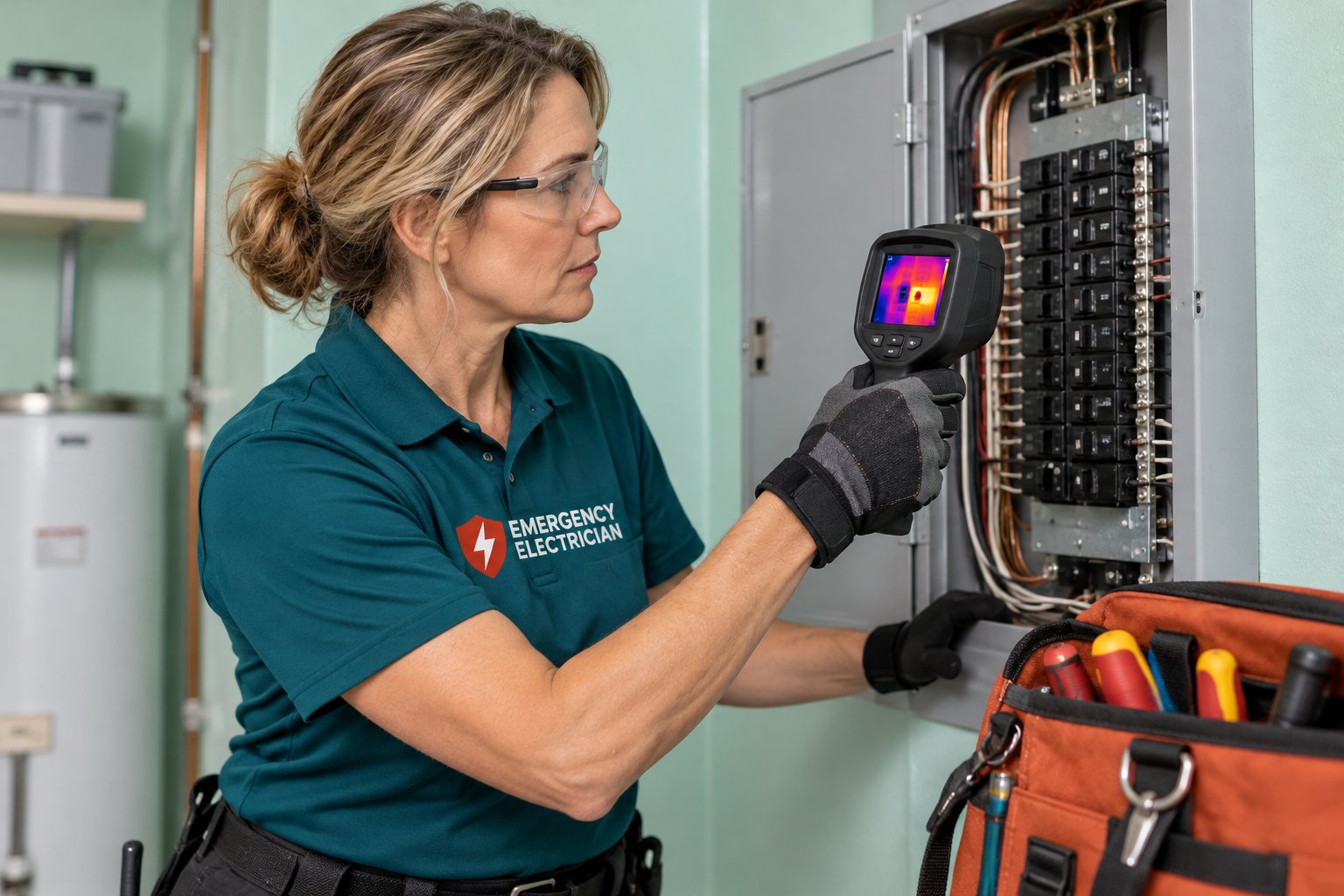
Heat is the most common slow warning. Look for discolored or browned plastic, blistered paint on a cover, a melted label, or a smell of hot insulation. Feel only the outside of the room's door, not equipment. A technician with an infrared camera can see warm spots, but a manager can often catch the signs by noticing that a room is always warm, that a particular cabinet smells different, or that a unit's residents report flickering lights.
Ventilation matters. Electrical rooms in South Florida can become very hot in summer, and some are enclosed with little airflow. Equipment is rated for particular temperatures, and a room that exceeds them ages the equipment faster. If your room has a ventilation fan, make sure it runs. If it has a cooling unit, make sure it is maintained. Do not block vents, and do not store boxes against equipment.
Report anything that suggests overheating to the electrician promptly, even if the building has power. Describe where the room is, what you noticed, and whether any unit has had flickering or partial outages. A technician can look for loose connections, check loads, and recommend repairs. Do not use a fan to cool equipment that is already smoking, and do not open energized cabinets to look inside.
Water: roofs, pipes, garages, and flood
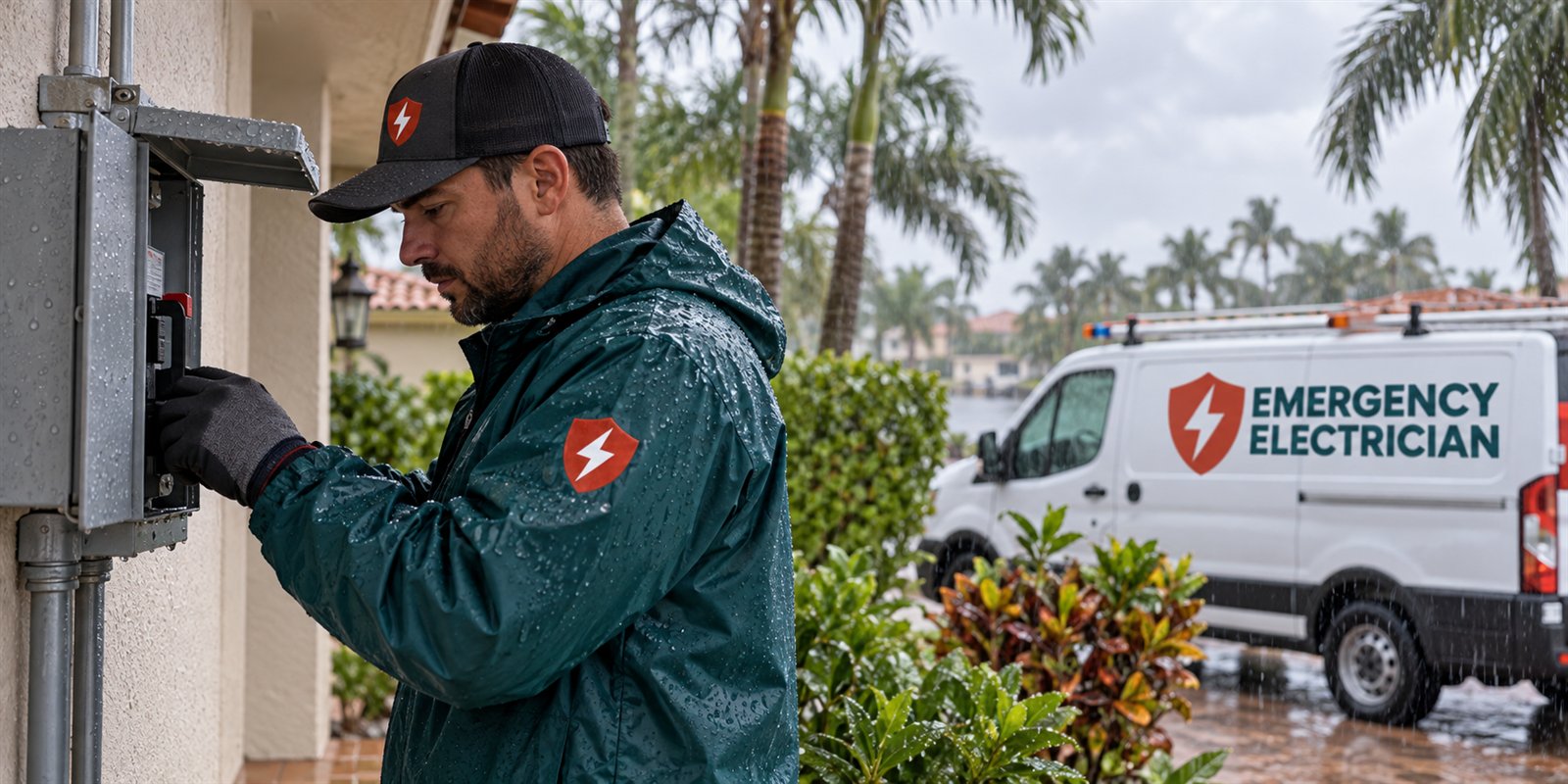
Water gets into electrical rooms in many ways. Roof leaks run down walls. Pipes above ceilings leak. Air conditioning condensate drains back up. Garage level rooms can flood during heavy rain, and rooms below grade or at ground level are exposed to storm surge and high tides. Even a small leak can leave moisture inside cabinets, where it speeds up corrosion and can cause tracking across insulating surfaces.
Walk the room after heavy rain, from the doorway, and look for stains on the ceiling, drips, damp walls, rust at the base of cabinets, and puddles. Do not enter if the floor is wet and equipment is energized. If you find signs of a leak, notify the electrician and the person responsible for roof or plumbing repairs. Water that has entered a cabinet is a hazard even after it dries, because it leaves minerals and corrosion that can lead to a later failure.
After flooding, do not re-energize equipment that was wet. A qualified electrician must inspect, test, and decide what can be dried and cleaned and what must be replaced. Salt water is among the most damaging because it is conductive and corrosive. See saltwater surge electrical damage and what floodwater does to wiring for more detail.
Storage, clearance, and housekeeping
A surprising number of electrical room problems come from ordinary clutter. Cardboard boxes, cleaning supplies, spare furniture, holiday decorations, and paint cans accumulate in rooms with a lock and a bit of floor space. Combustible items next to energized equipment turn a minor fault into a fire. They also block access, which delays responders and technicians.
Keep a clear area around panels and switchgear so that a person can reach and operate the equipment and exit quickly. Keep doors closed, labeled, and locked. Keep the floor dry and clear. Do not use the room for storage of any kind, and tell contractors, cleaners, and staff that the rule applies to them as well. A simple sign on the door with the name of the person to contact can help.
Labels matter too. A room in which no one can identify which disconnect serves which part of the building wastes critical minutes in an emergency. Ask the electrician to help label the main disconnects and the risers, and keep a printed diagram in the manager's office. Do not relabel breakers on your own in an energized panel. Updating labels is a task for a technician with the room safely accessed.
Meter stacks, individual disconnects, and the utility boundary
In many buildings, the meters belong to the utility and the equipment on the load side belongs to the building or the owner. The boundary affects who may open a cabinet or cut a seal. Meter seals prevent unauthorized access. Do not break a seal. If a meter socket is sparking, overheated, or damaged, report it to the utility and to an electrician, and keep people away. Only authorized persons should disconnect or reconnect a meter.
If one unit in a stack loses power, the cause may be in the unit's panel, in the disconnect, in the meter socket, or in the feeder. A technician can tell the difference with testing. Residents may think the problem is the building's, when it is the unit's, or the reverse. See condo unit lost power: owner or association for a plain way to sort the question.
Do not allow unauthorized people to work in meter rooms. A contractor hired by a resident to work on a unit panel should not be opening shared equipment without permission. Establish a rule that all work in shared rooms requires coordination with management, a check that the contractor is qualified, and a record of what was done.
Inspections and the routine checks that help
A manager is not an electrician, but there are routine checks that do not involve touching equipment. Once a month, open the door and look. Is the room clean, dry, and cool? Are there signs of leaks? Is anything stored there? Do you smell anything unusual? Note the date and what you saw. After heavy rain or a storm, repeat the check from the doorway.
On a longer schedule, many associations arrange for an electrician or an engineer to inspect the equipment, tighten connections where appropriate, and perform thermal scans. Whether this is needed, and how often, depends on the age of the equipment, its condition, the environment, and any requirements that apply to your building. Ask the electrician what they recommend rather than assuming a fixed schedule. A visit for inspection needs an on-site assessment, and quotes for it are given by phone after the scope is understood.
Keep records of inspections, findings, and repairs. They help the board plan capital spending, show insurers that the building has been maintained, and help the next manager. When a technician recommends replacement of equipment, ask what the risks of waiting are, and add the item to the reserve plan if it is not urgent.
Two short examples of how these rooms fail
Example one: a ground floor meter room in a low-rise building sits behind a door that is rarely opened. A drain line above the ceiling develops a slow leak. For weeks, moisture runs down the wall behind the meter stack. Nobody notices until one unit's power starts flickering and another unit's breaker trips without cause. A technician finds corrosion on a connection and a damp cabinet. The repair is much more involved than it would have been if the stain on the ceiling had been reported when it first appeared.
Example two: a riser closet on an upper floor holds a panel for the floor's common lights and some storage left by a former contractor. In summer, the closet reaches high temperatures. A connection that was never retightened develops resistance and warms. Residents mention a faint smell of hot plastic near the closet, but the smell comes and goes and nobody follows up. One evening, the corridor lights go out, and a technician finds a scorched breaker. The lesson is that intermittent smells and flickers are information, and that a prompt visit costs far less than a failure.
In both cases, the room was treated as invisible. The fix is attention: regular looks from the doorway, a clear route for reports, a manager who follows up, and a technician who is called early. None of this requires the manager to open equipment or take risks.
Residents and the room next door
Residents are the building's best sensors. People notice flickering lights, warm walls, buzzing sounds in a closet, or a faint smell. Give them a simple way to report these things, and respond to reports. Tell them what to look for: a burning smell in a corridor, a wall that is warm to the touch near the meter room, a sound of arcing, a light that flickers across several units, or a unit whose power drops and returns.
Tell residents what not to do. Do not store things in the closet, do not prop the door open, do not hang anything from conduit, and do not try to open a panel. If a resident wants to add a heavy appliance, such as an air conditioner or an electric vehicle charger, the work needs coordination with management and the electrician, since it can affect the unit's panel and the building's feeders.
Remind residents that in an emergency, 911 comes first, and that building staff will follow with the utility and the electrician. A short notice at move-in and an annual reminder are enough. Residents who have been told what to do are less likely to improvise.
What an electrician does on a call to a shared room
A technician will first make the area safe, which may mean restricting access, confirming what is energized, and checking for water. They will identify the equipment involved and look for heat damage, corrosion, loose connections, and signs of arcing. They may take measurements, shut down parts of the system in a planned order, and coordinate with the utility if the problem is on the line side of the meter.
If equipment is damaged, they explain what needs to be replaced and what the options are. Larger work, such as replacing a meter stack, a feeder, or switchgear, often needs permits, scheduling with the utility, and planned shutdowns affecting many residents. A technician can arrange a temporary solution in some cases, but should explain its limits. See temporary fix versus full repair.
Be ready with a key, a floor plan, and a person who can answer questions. Quotes are given by phone for simple work, and complicated jobs need an on-site visit. There is a service call charge, explained before dispatch. The technician cannot promise a time of completion until they have seen the room.
Calling for help and what to say
If you are worried about a room but there is no smoke, flame, sparking, or water, call and describe what you have noticed. Say where the room is, what the equipment looks like, what you smelled or heard, and whether any residents have reported flickering or outages. Say whether the building is occupied and whether there are elevators or life safety systems that depend on the equipment.
If there is any sign of fire, call 911 first. If there is a utility problem such as a damaged meter or a downed line, call the utility. Then call the electrician and give the same description. Ask the dispatcher what you should do while you wait. Do not enter the room. Do not allow anyone else to enter.
Taking an early call seriously is among the simplest forms of prevention available to a building. Call to describe the room and the signs you have seen, and the dispatcher will explain how the visit works.
Questions people ask
Is a warm electrical room door a reason to call 911?
A warm or hot door, most of all with smoke, a burning smell, or discoloration, is a reason to keep people away and call 911. Heat can travel before smoke does. Do not open the door to look. If the room is merely warm from summer weather with no other signs, call an electrician to check ventilation and loads.
Can the building manager open a panel to check for loose wires?
No. Panels and switchgear contain energized parts, and opening them exposes a person to shock and arc hazards. A manager can look at the room, note signs, and keep it clear. Opening and testing equipment is a task for a qualified technician with proper tools and procedures.
What should I do if water is dripping onto the meters?
Treat it as dangerous. Keep people out of the room, do not wade in, and do not touch the equipment. Call 911 if there is sparking or smoke, and call the utility and an electrician. Stop the source of water if it can be done safely and without entering the room.
Can residents store things in the electrical closet on their floor?
No. Storage in electrical rooms blocks access, adds fuel for a fire, and hides problems. Keep the rooms locked, clear, and labeled. Tell residents and contractors about the rule, and have a clear contact for exceptions. Any work in shared rooms should be coordinated with management.
How often should an association have its electrical equipment inspected?
There is no single answer. It depends on the age and condition of the equipment, the environment, and any requirements that apply to the building. Ask the electrician what they recommend after seeing the equipment. Keep records of inspections and repairs, and plan for replacement before an emergency forces it.
What happens after flooding in an electrical room?
Do not enter or re-energize. A qualified electrician must inspect and test the equipment, and some parts may need replacement, more so after salt water. The utility may need to be involved for meters. The process takes planning and can affect many residents, so communicate early and keep records.
Reading about "Condo Electrical Room Heat and Water Risks"? Tell us what stopped working and when. We will say what an electrician would check first, and quotes are given by phone when the job can be described.
Related pages
- Condo Emergency: Board members and managers: a call order for condo electrical emergencies, who handles shared rooms, what residents report, and what to document afterward.
- Common Area Outage: Corridor lights, stairwells, and elevators dark in a condo building? Life-safety steps, who handles what, and what managers should tell residents.
- Unit vs Building: Your condo unit lost power. Sort a unit panel problem from a building fault, know who to call first, and what to tell the manager and the electrician.
- Saltwater Damage: Why storm surge saltwater damages electrical equipment differently than rain: salt residue, hidden corrosion in panels and how damage spreads over time.
- Fix vs Repair: When isolating a failed circuit is enough for tonight and when a complete repair is required, explained for owners facing a failure and a hard decision.
- Outage Records: What to record during a business power outage for managers, landlords and insurers: timelines, photos, losses and technician findings, with no coverage claims.